


How Much Does an Everest Base Camp Trek Cost in 2026? (Budget vs. Luxury)
Published: February 2026 | Author: Nira Joshi | Category: Trekking tips, Information
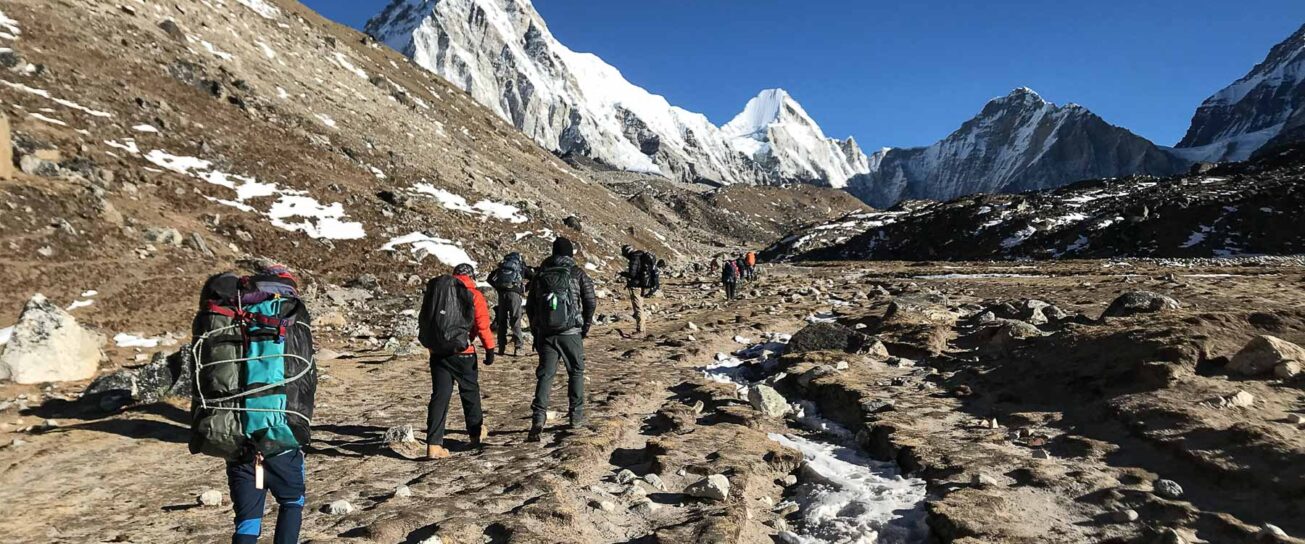
Dreaming of standing at the foot of the world’s highest peak? You are not alone. Thousands of hikers flock to Nepal every year for the Everest Base Camp (EBC) trek. But how much money do you actually need in your pocket for Everest Base Camp trek cost in 2026?
For the 2026 season, a standard 14-day Everest Base Camp trek costs between $1,600 and $2,200 per person. This budget includes round-trip Lukla flights ($450), mandatory guide fees ($30–$45/day), and required permits ($70). Basic tea house stays cost $5–$15 per night, while luxury packages exceed $4,000. Daily food and water typically add $30–$50 to your mountain expenses.
The truth is, costs have shifted. New rules for 2026 make guides mandatory. Inflation has touched the high mountain tea houses. Whether you want to rough it or live like royalty, you need a solid plan. Here is the real breakdown of every dollar you will spend on the trail.
1. The Mandatory Costs: Permits and Paperwork
In 2026, you cannot simply walk into the Khumbu region. The government requires specific permits. These fees help protect the environment and maintain the trails.
- Sagarmatha National Park Permit: This costs roughly $25 (NPR 3,000) per person. You can buy this in Kathmandu or at the park gate in Monjo.
- Khumbu Pasang Lhamu Rural Municipality Fee: This is a local tax. It costs about $22 (NPR 3,000). You usually pay this in Lukla upon arrival.
- TIMS Card: As of 2026, the Trekkers’ Information Management System (TIMS) card costs around $20.
Total Permit Cost: Expect to pay about $65 to $70 for all your papers.
2. Getting to the Trail: The Lukla Flight
Most trekkers fly from Kathmandu or Ramechhap to Lukla. This flight is a highlight of the trip. However, it is also a major expense.
In 2026, a round-trip ticket to Lukla costs between $430 and $460. During peak seasons (October and April), prices sit at the higher end. If you want to skip the flight, you can take a jeep to Tham Danda. This “by road” option is cheaper but adds three days to your trek. A private jeep can cost $200 to $250 per vehicle.
3. Hiring Your Team: Guides and Porters
You can no longer trek to EBC solo. The Nepal government requires all foreign hikers to have a licensed guide. This is for your safety and the local economy.
Licensed Guide: A good guide costs $30 to $45 per day. This fee covers their salary, food, and insurance.
Porter: A porter carries your heavy bags. They usually charge $20 to $30 per day. One porter can typically carry bags for two trekkers.
For a standard 14-day trek, a guide will cost you roughly $500. If you share a porter with a friend, add another $200 each.
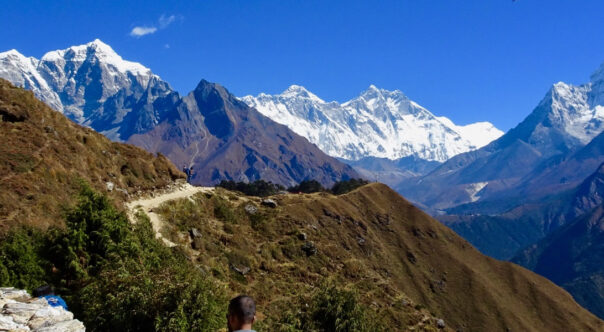
Everest Base Camp Trek
US$1385 Duration: 13 Days
 Difficulty: Strenuous
 of 1 Reviews
4. Daily Life: Food, Water, and a Bed
The higher you climb, the more expensive things get. Everything is carried up by yaks or porters. This makes a simple bottle of water cost more than a beer in Kathmandu.
Accommodation Costs
Most hikers stay in tea houses. These are simple mountain lodges.
- Budget Tea Houses: $5 to $10 per night. These rooms are basic with shared toilets.
- Standard Lodges: $15 to $30 per night. Some offer attached bathrooms and better blankets.
- Luxury Lodges: $150 to $300 per night. Places like Everest Summit Lodge offer heated rooms and hot showers inside.
Food and Drink Costs
Food is a big part of your daily budget. Dal Bhat (lentil soup and rice) is the best fuel. It usually comes with free refills!
- Breakfast: $5 to $10.
- Lunch/Dinner: $8 to $15 per meal.
- Water: $1 to $4 per liter. Use water purification tablets to save money.
5. Budget vs. Luxury: The 2026 Price Comparison
How do you want to experience the Himalayas? Here is a quick look at two very different ways to trek.
| Expense Category | Budget Trek (14 Days) | Luxury Trek (14 Days) |
| Permits & Fees | $70 | $70 |
| Transport (Lukla) | $440 (Flight) | $2,000 (Private Heli) |
| Guide & Porter | $600 (Shared) | $1,200 (Private/Senior) |
| Lodging | $140 | $2,500+ |
| Food & Water | $450 | $800 (Gourmet) |
| Extras (Wi-Fi/Showers) | $100 | Included |
| Total Estimated | $1,800 | $6,570+ |
6. Hidden Costs You Might Forget
Many trekkers blow their budget because of the “little things.” In 2026, technology is everywhere, but it isn’t free.
- Charging Devices: Solar power is expensive. Lodges charge $3 to $5 to charge your phone or power bank.
- Wi-Fi: A 24-hour pass for “Everest Link” costs around $5 to $10.
- Hot Showers: Gas is heavy to carry up. Expect to pay $5 to $8 for a 5-minute shower.
- Tipping: It is local custom to tip your team. Budget about $150 to $200 total for your guide and porter.
- Travel Insurance: This is vital. Ensure your policy covers “helicopter evacuation” up to 6,000 meters. This costs about $150.
7. Gear: To Buy or Rent?
You need high-quality gear to survive the cold. A good down jacket and sleeping bag are non-negotiable.
If you buy everything brand new, you might spend $1,000. However, Kathmandu is a gear paradise. You can rent a professional sleeping bag and jacket for $1 to $2 per day. Most trekkers at Top Trail Nepal choose to rent the heavy items to save luggage space.
8. Tips to Save Money in 2026
- Drink Local Tea: Ginger lemon honey tea is cheaper than canned soda.
- Eat Dal Bhat: It is the most filling and affordable meal on the mountain.
- Carry a Power Bank: Charge it in the lower villages where it is cheaper.
- Trek in a Group: Sharing a porter and a guide significantly lowers your daily cost.
- Book Early: Flight prices to Lukla rarely go down. Secure your seat months in advance.
FAQ: Everest Base Camp Costs 2026
Q1. Is it cheaper to trek in the off-season?
A1. Yes. You can often find lodge discounts in January or June. However, flights are still expensive, and the weather is much harsher.
Q2. Can I use a credit card on the trek?
A2. Some shops in Namche Bazaar take cards. However, they often charge a 3% to 5% fee. Higher up, you must have cash in Nepalese Rupees.
Q3. How much cash should I carry from Kathmandu?
A3. We recommend taking $400 to $600 in local currency for your personal spending. This covers snacks, tips, and charging.
Q4. Is food safety included in the price?
A4. If you book a package, food is usually included. If you trek independently, you pay per item. Always choose cooked food over raw salads to avoid getting sick.
Q5. Does the 2026 cost include a helicopter back?
A5. A standard trek includes a flight from Lukla. A helicopter return from Gorak Shep to Lukla or Kathmandu is an extra $1,200 to $1,800.
Final Verdict
A successful Everest Base Camp trek in 2026 requires more than just fitness. You need a realistic budget. A mid-range trek usually lands between $1,600 and $2,200. This gets you a great guide, safe food, and a flight to the mountains.
Going too cheap can be risky for your health. Going luxury is a wonderful treat if you have the funds. At Top Trail Nepal, we believe in fair pricing that supports the local community while keeping you safe.