
 Call Us or Whatsapp 9779808220612
 Email Us [email protected]
- English [EN]
- Espanol [ESP]
- France [FR]
- Deutsch [DE]
- China [CN]
- Japan [JP]
- Arabic [AR]
- Hindi [HI]

Yala Peak Climb
 Duration: 12 Days
 Difficulty: Challenging
 Accomodation: Hotel/ Teahouse/Tented Camp
 Meal: B-L-D
 Max. Altitude: 5,500m
 Best Seasons: Spring (March-April-May) & Autumn (Sep-Oct-Nov)
Yala Peak Climb
Yala Peak Climbing combines a journey through Nepal’s beautiful Langtang Valley with an introduction to Himalayan peak climbing. Beginning in Kathmandu, the trip travels north to Syabrubesi before following the Langtang Khola through forested valleys, traditional settlements and increasingly high alpine terrain toward Kyanjin Gompa and Yala Peak.
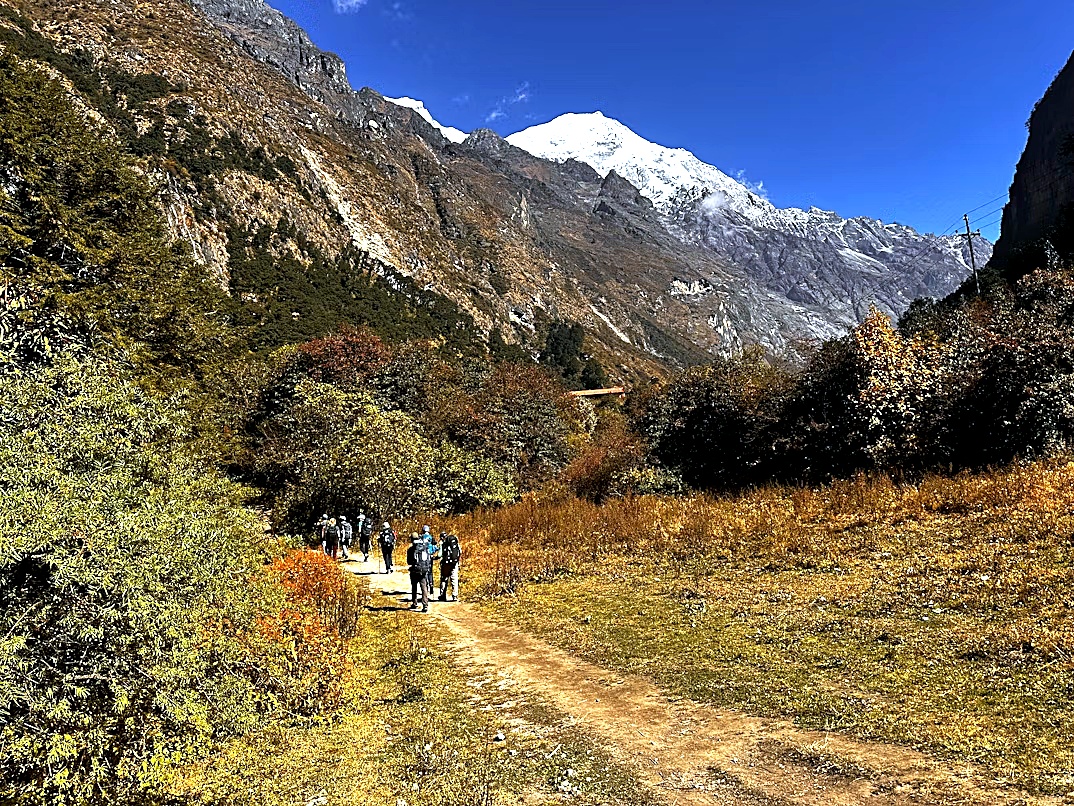
The first part of the trek follows a very different landscape from the busier Everest routes. From Syabrubesi, the trail climbs through bamboo, oak, pine and rhododendron forest, passing places such as Bamboo, Lama Hotel and Ghoda Tabela. Waterfalls, suspension bridges and the Langtang River remain close to the route while the mountains gradually begin to appear above the valley.

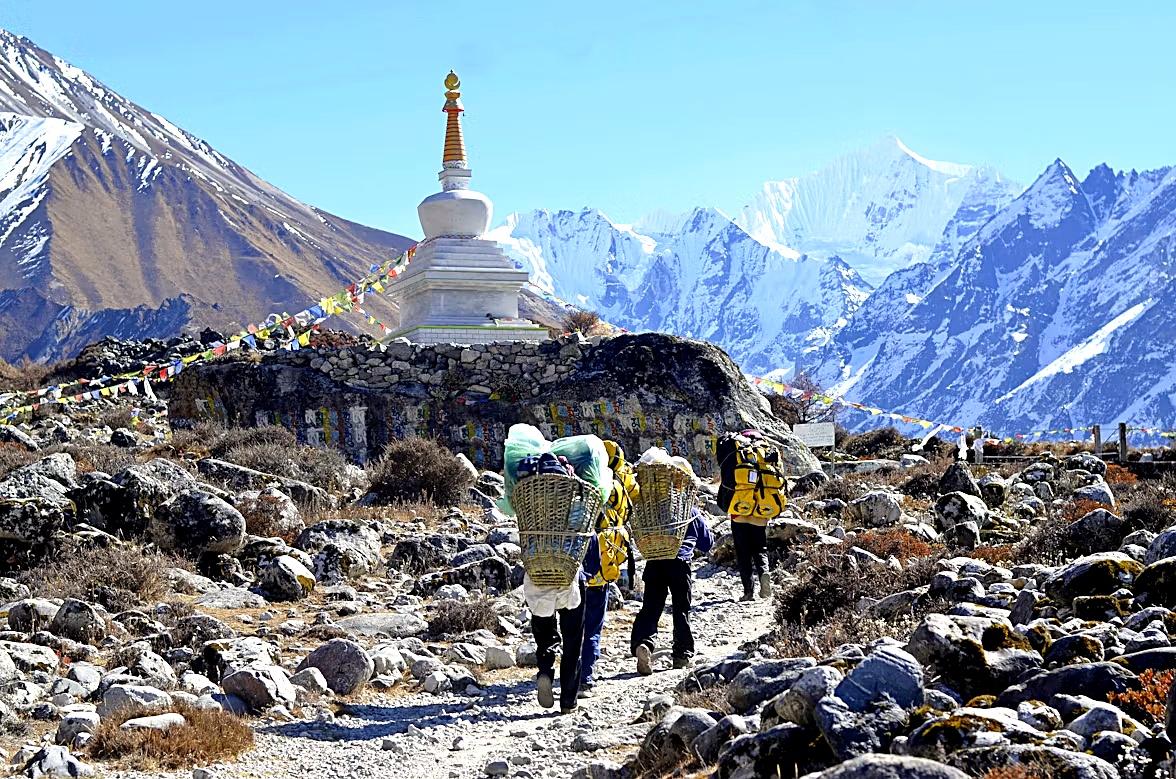
Higher up, the trail reaches Langtang Village, one of the main communities of the region. Tamang culture and Tibetan Buddhist influences can be seen throughout the valley in the local houses, monasteries, prayer flags, mani walls and everyday village life. The rebuilt settlement also tells an important story of the resilience of the Langtang community.
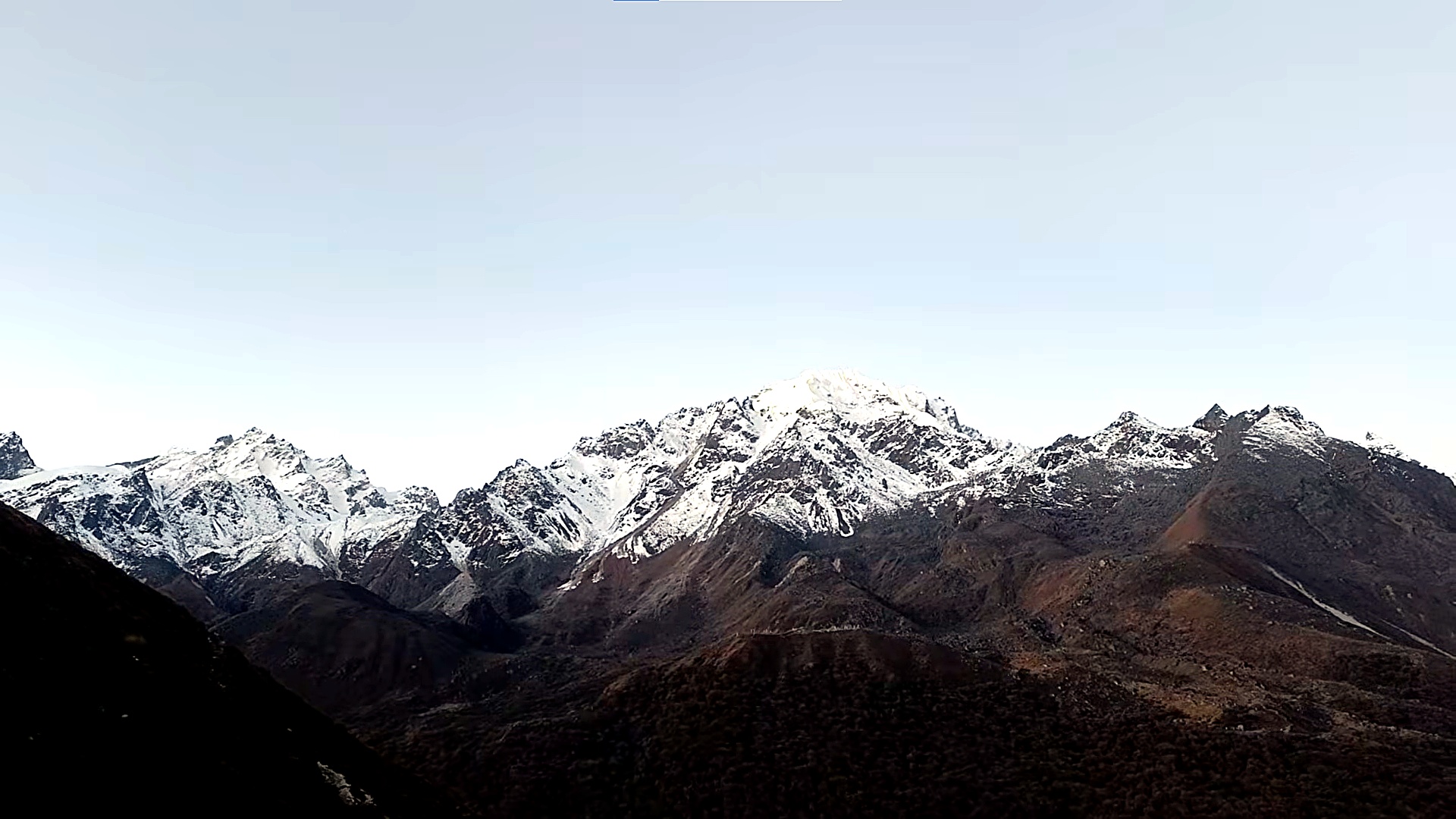
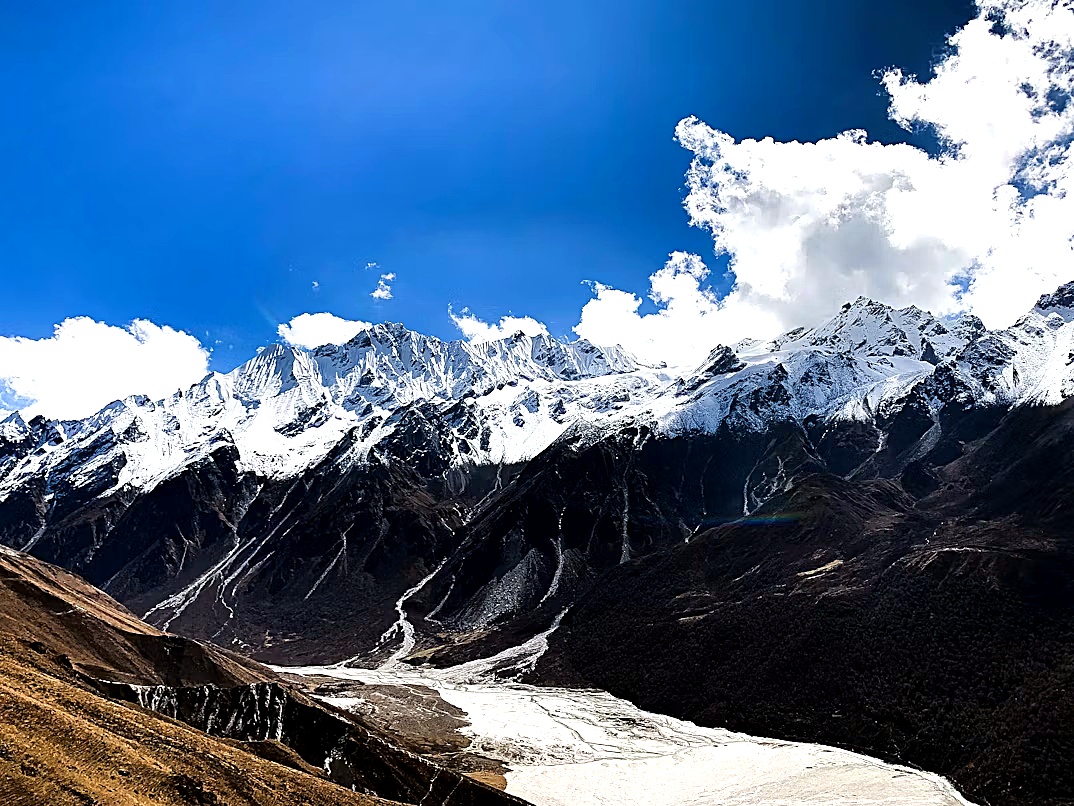
From Langtang Village, the journey continues toward Kyanjin Gompa at 3,870 m. Forest gradually gives way to yak pastures, broad alpine valleys and rocky mountain slopes, while views open toward Langtang Lirung, Langtang II, Dorje Lakpa, Ganchenpo, Yala Peak and other surrounding mountains.
Kyanjin is more than an overnight stop. The itinerary spends additional time here for acclimatization before the climb, including a hike to Kyanjin Ri at 4,773 m. The ascent provides valuable time at a higher elevation and, in clear weather, wide views across the upper Langtang Valley and surrounding Himalayan ranges.

The character of the journey changes once you leave Kyanjin for Yala Peak Base Camp. The established village trail gives way to open alpine meadows, rocky slopes and a more isolated mountain environment. At Base Camp, the climbing team prepares the camp and reviews the equipment and techniques needed for the summit attempt.
Depending on snow and mountain conditions, the climb can involve the use of crampons, an ice axe, harness and rope systems. Yala Peak is often chosen by trekkers who want to progress from ordinary high-altitude trekking into mountaineering without immediately committing to a much larger expedition.
Summit day starts early and is the most demanding part of the trip. From Base Camp, the route climbs through rocky and snow-covered terrain toward the high point of Yala Peak. Good fitness, careful pacing and the ability to follow the climbing guide’s instructions become especially important as the altitude increases.

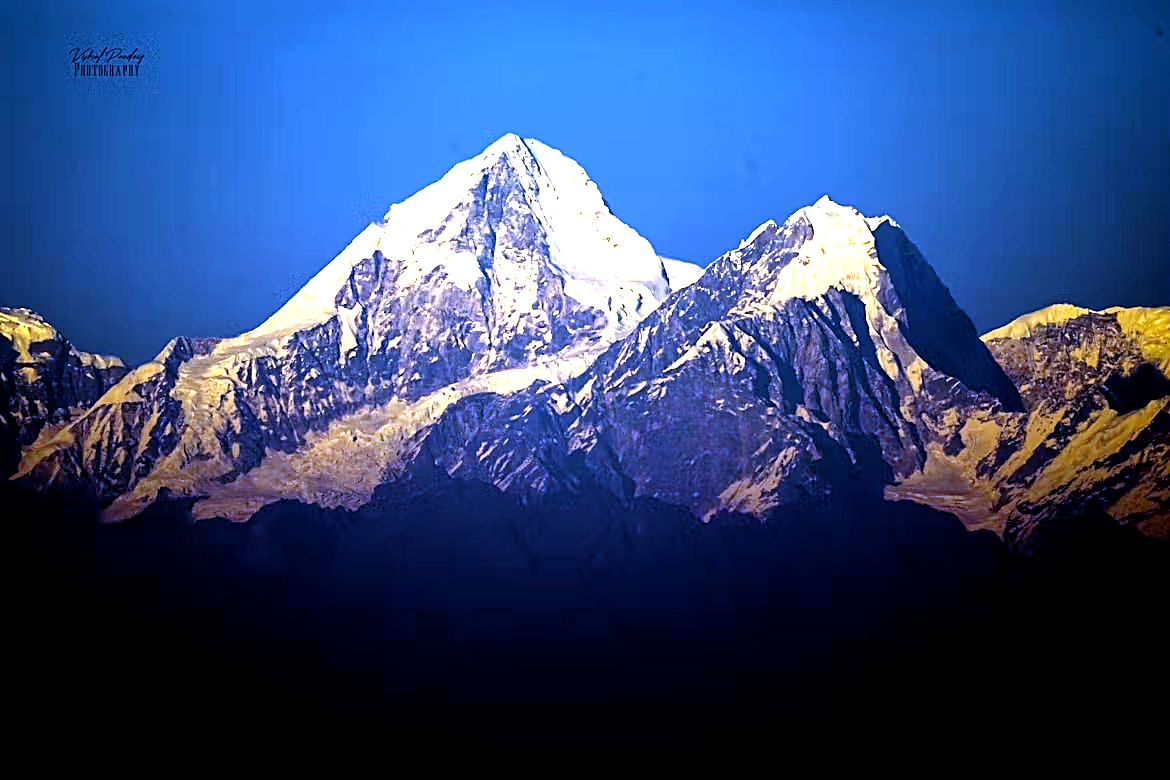
Reaching the summit is rewarded with a remarkable Himalayan panorama. On a clear day, the surrounding skyline can include Langtang Lirung, Dorje Lakpa, Ganchenpo, Naya Kang and Shishapangma across the Tibetan side of the range.
After the climb, the route returns to Kyanjin Gompa and then follows the Langtang Valley back through Langtang Village, Ghoda Tabela and Lama Hotel toward Syabrubesi. The descent brings a noticeable change from barren alpine terrain back into the forests and warmer valleys of the lower trail.
For travelers with limited time who want more than a conventional trek, Yala Peak offers a rewarding combination of Langtang scenery, Tamang culture, high-altitude acclimatization, tented Base Camp and a Himalayan summit attempt within a compact 12-day journey from Kathmandu.
Highlights
- Travel from Kathmandu into the mountains of Langtang National Park, one of Nepal’s most accessible Himalayan regions.
- Follow the Langtang Khola through bamboo, pine, oak and rhododendron forests on the journey from Syabrubesi.
- Trek through Lama Hotel, Ghoda Tabela and Langtang Village as the landscape changes from forested valleys to open alpine country.
- Experience the Tamang and Tibetan Buddhist heritage of the Langtang Valley through mountain villages, monasteries, prayer flags and mani walls.
- Reach Kyanjin Gompa at 3,870 m, surrounded by the high peaks of the Langtang Himal.
- Explore Kyanjin Gompa, its Buddhist heritage and the traditional yak cheese production for which the upper valley is known.
- Hike to Kyanjin Ri at 4,773 m for acclimatization and sweeping views across the Langtang Valley.
- Enjoy views toward Langtang Lirung, Langtang II, Dorje Lakpa, Ganchenpo, Naya Kang and Yala Peak when conditions are clear.
- Leave the main trekking trail and enter the quieter alpine landscape leading toward Yala Peak Base Camp.
- Spend a night in a tented mountain camp while preparing for the Yala Peak summit attempt.
- Receive practical climbing preparation covering crampons, ice axe use, harnesses and rope systems according to mountain conditions.
- Experience an early-morning Yala Peak summit attempt, the most demanding and rewarding stage of the journey.
- Look toward Shishapangma in Tibet and the surrounding Langtang Himalayan peaks from the high mountain terrain when visibility allows.
- Complete a compact 12-day trekking and climbing adventure that progresses naturally from river valleys and forests to alpine terrain and Himalayan mountaineering.
Current Langtang Travel Update – Q4 2026
The August 2026 Bhotekoshi flood in Rasuwa damaged roads, bridges, trails and parts of the Syabrubesi area, temporarily disrupting the usual access between Dhunche, Syabrubesi and the Langtang Valley. Recovery and temporary access work are still ongoing, so upcoming Yala Peak departures will be confirmed according to the latest road, trail and local safety conditions, with transport or route arrangements adjusted where necessary.
Detailed Itinerary - Yala Peak Climb (12 Days)
Your Yala Peak Climbing adventure begins with your arrival at Tribhuvan International Airport in Kathmandu. A representative from Top Trail Nepal will meet you at the airport and transfer you to your hotel.
After checking in, you can rest after your international journey or spend some time exploring the surrounding area. Later, you will meet the trekking and climbing team for a briefing about the Langtang Valley route, Yala Peak ascent, altitude, accommodation, weather and equipment requirements.
This is also a good opportunity to check your trekking and climbing gear and arrange any last-minute items before leaving Kathmandu.
After breakfast, you leave Kathmandu and begin the road journey north toward Syabrubesi, the main gateway to the Langtang Valley.
The drive follows the Trishuli River corridor through terraced hills, roadside settlements and increasingly mountainous terrain. As you travel toward Dhunche, the road climbs considerably before descending toward the narrow valley around Syabrubesi.
Depending on traffic and road conditions, the journey normally takes most of the day. After reaching Syabrubesi, you settle into your lodge and prepare for the first trekking day.
Distance: Around 120–130 km by road
Today you begin walking into the Langtang Valley. The trail crosses the river system around the Bhote Koshi and Langtang Khola before following the valley through forest and small settlements.
The route passes through Pairo and Bamboo, with several climbs and descents through bamboo, oak, pine and rhododendron forest. Waterfalls, suspension bridges and the sound of the Langtang River accompany much of the day.
As the trail gains elevation, the settlements become smaller and the forest thicker. Eventually, you reach Lama Hotel, a collection of mountain lodges beside the river.
The trail continues upstream through dense forest, following the Langtang River and gradually gaining altitude. As you climb, the vegetation begins to change and the valley starts opening up.
One of the main stops today is Ghoda Tabela, an important resting point where the valley becomes wider and views of the surrounding mountains begin to improve. From here, the trail continues through the smaller settlements of Thangshep and other traditional hamlets before reaching Langtang Village.
Langtang is one of the major settlements of the valley and provides your first strong introduction to the local Tamang and Tibetan influenced culture of the region. The village is surrounded by forests, alpine slopes and views toward the higher Langtang mountains.
Today’s walk is shorter, giving you time to move gradually into the higher part of the valley. Leaving Langtang Village, the trail passes through Mundu and Sindum before continuing across open alpine terrain.
Yak pastures, mani walls, prayer flags and increasingly rocky slopes replace the thicker vegetation of the lower valley. As you approach Kyanjin, views open toward Langtang Lirung, Langtang II, Dorje Lakpa, Yala Peak and surrounding mountains.
After reaching Kyanjin Gompa, you can explore the settlement, visit the local Buddhist monastery and, when operating, see the area’s traditional yak cheese production.
Today is dedicated to acclimatization before moving toward Yala Peak Base Camp. Rather than remaining at the lodge all day, you climb above Kyanjin and return to sleep at the lower elevation.
The main objective is Kyanjin Ri at 4,773 m. The climb becomes increasingly demanding as you gain altitude, but the upper ridge provides one of the finest viewpoints in the Langtang Valley.
When the weather is clear, the panorama includes Langtang Lirung, Langtang II, Dorje Lakpa, Yala Peak, Ganchenpo and numerous surrounding Himalayan peaks.
After spending some time on the ridge, you descend to Kyanjin Gompa for another night and continue preparing for the climbing section.
Leaving Kyanjin Gompa, you move away from the main village trail and head into the higher alpine terrain toward Yala Peak Base Camp.
The route crosses open meadows, rocky slopes and increasingly barren terrain as you approach the mountain. Views toward Yala Peak, Ganchenpo, Naya Kang and Tserko Ri become more prominent throughout the day.
At Base Camp, the climbing team prepares the tents and organizes equipment for the summit attempt. Your climbing guide will also review techniques such as crampon use, ice axe handling, harness use, rope systems and safe movement on snow or icy terrain, depending on current conditions.
After an early meal, you rest in preparation for the summit climb.
The main climbing day begins very early, usually before sunrise, to make the best use of stable morning conditions and allow sufficient time for the descent.
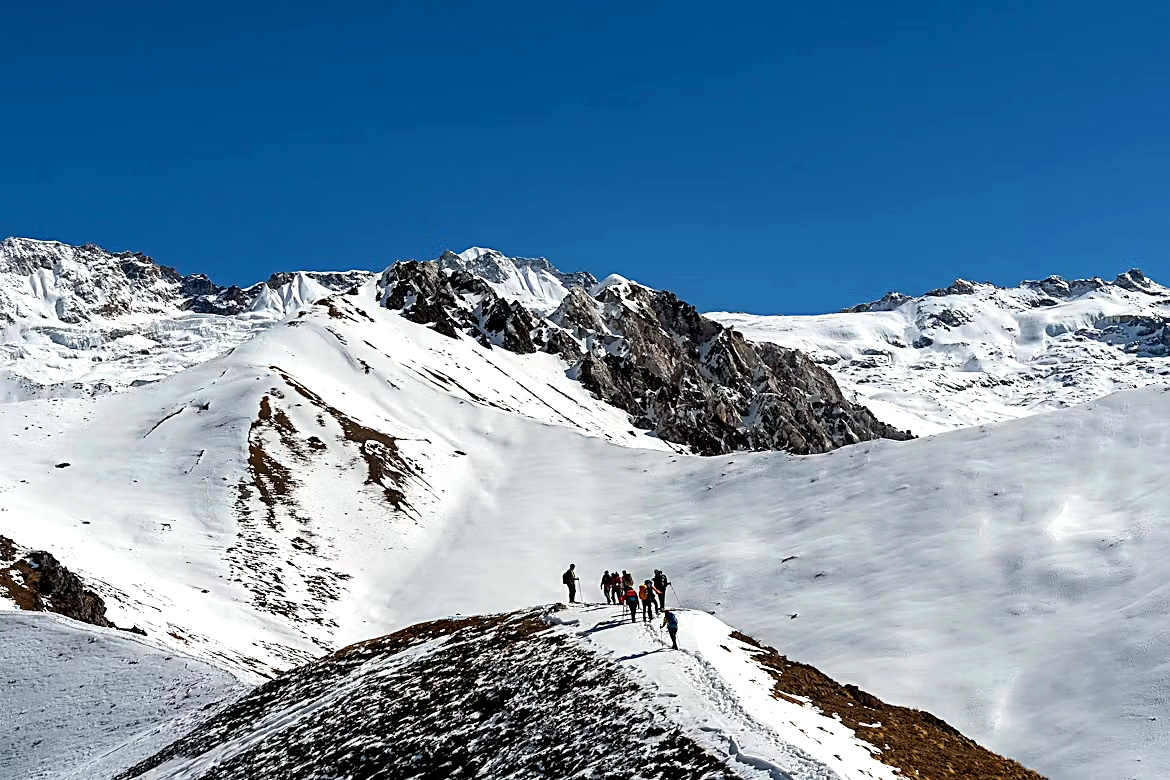
From Base Camp, the route climbs through rocky alpine terrain before reaching higher snow-covered slopes. Depending on snow and ice conditions, crampons, an ice axe, harness and rope systems may be used during the ascent.
Your climbing guide leads the team through the steeper and more exposed sections before reaching the 5,500 m summit of Yala Peak.
On a clear day, the summit provides an impressive Himalayan panorama toward Langtang Lirung, Dorje Lakpa, Ganchenpo, Naya Kang and Shishapangma, along with many surrounding peaks.
After enjoying the summit, you descend carefully back to Base Camp, collect the necessary equipment and continue down to Kyanjin Gompa. It is a long and physically demanding day, but also the main objective of the expedition.
After completing the Yala Peak climb, you begin the long descent through the Langtang Valley.
The trail retraces the route through Mundu and Langtang Village before continuing past Thangshep and Ghoda Tabela. With each hour of descent, the alpine terrain gradually gives way to thicker vegetation.
You continue alongside the Langtang River and eventually return to the forested surroundings of Lama Hotel, where the lower elevation provides a more comfortable night after the summit section.
Your final walking day continues downhill through the forested lower Langtang Valley.
The trail passes familiar settlements including Bamboo and Pairo, with several descending sections beside the Langtang Khola. The air becomes warmer and vegetation increasingly dense as you return to lower elevations.
Reaching Syabrubesi marks the end of the trekking and climbing portion of the journey. You can spend the evening resting and preparing for the drive back to Kathmandu.
After breakfast, you leave Syabrubesi and begin the road journey back toward Kathmandu.
The route climbs through Dhunche before following the mountain roads toward Trishuli and eventually returning to the Kathmandu Valley. Along the way, the scenery changes from steep Himalayan valleys to terraced hills and increasingly populated areas.
After arriving in Kathmandu, you are transferred to your hotel. The rest of the evening is free to relax after completing the Langtang Valley trek and Yala Peak climb.
Distance: Around 120–130 km by road
Your Yala Peak Climbing adventure officially comes to an end today.
Depending on your international flight schedule, you may have some free time in Kathmandu before departure. A representative from Top Trail Nepal will transfer you to Tribhuvan International Airport for your onward journey.
After trekking through the Langtang Valley, acclimatizing around Kyanjin Gompa and climbing to the 5,500 m summit of Yala Peak, you leave Nepal after completing a journey that combines Himalayan trekking, alpine scenery and peak climbing.
What's Included
Airport Arrival & Departure Transfers
|
Hotel Accommodation in Kathmandu
|
Ground Transportation
|
Meals During the Trek & Climb
|
Teahouse & Tented Accommodation
|
Professional Trekking & Climbing Team
|
All Required Permits & Fees
|
Group Climbing & Camping Equipment
|
Safety Support & Medical Kit
|
Taxes & Service Charges
|
What's Not Included
|
International Airfare
|
|
Nepal Entry Visa
|
|
Travel & Climbing Insurance
Insurance covering high-altitude trekking, peak climbing and emergency evacuation is the responsibility of the traveler.
|
|
Personal Trekking & Climbing Equipment
Personal clothing, mountaineering boots, crampons, ice axe, harness, helmet, down jacket, sleeping bag, gloves and other individual trekking or climbing gear not specifically listed in the inclusions.
|
|
Personal Expenses
|
|
Tips for Trekking & Climbing Staff
Gratuities for guides, porters and climbing staff are not included. Tipping is voluntary but appreciated for good service.
|
|
Emergency Evacuation Costs
Helicopter rescue, medical evacuation and related emergency transportation costs are not included. These expenses may be covered by travel insurance if the policy provides suitable high-altitude trekking, climbing and emergency evacuation coverage.
|
|
Any Other Costs
Any services, activities, equipment, meals or expenses not specifically mentioned in the What’s Included section.
|
Departure Dates
Route Map & Gallery







Frequently Asked Questions - Yala Peak Climb
Yala Peak is a non-technical trekking peak in the Langtang region of Nepal, rising to about 5,500 m above sea level. It lies inside Langtang National Park and offers panoramic Himalayan views.
Yala Peak is considered one of the easiest Himalayan peaks to climb. It is a non-technical climb, making it suitable for beginner climbers, though good fitness and proper acclimatization are important.
No. Yala Peak does not require prior technical climbing experience, and basic use of crampons and ice axe can be taught by guides. It’s a popular first peak for new climbers.
Our Yala Peak Climbing itinerary is 12 days, beginning with arrival in Kathmandu and ending with your final departure from Kathmandu.
The best seasons are:
-
Spring (March–May)
-
Autumn (September–November)
These periods offer clearer skies and more stable weather conditions for trekking and climbing.
The journey requires a Langtang National Park entry permit, TIMS where applicable under current regulations, and the necessary Yala Peak climbing or local permissions. Top Trail Nepal confirms the current requirements before departure.
Yes. The route reaches Kyanjin Ri at 4,773 m, Base Camp around 4,800 m and Yala Peak at 5,500 m, so altitude must be taken seriously. Any symptoms should be reported to your guide immediately.
Yes. Many trekking/climbing gear items like crampons, ice axes, jackets, sleeping bags, and boots can be rented or purchased in Kathmandu before the trek.
Yes. The Langtang trekking route currently falls under Nepal’s guided trekking system, and the climbing section also requires experienced mountain support. Your guide assists with navigation, acclimatization and summit safety.
Clean drinking water is available at lodges or can be boiled/treated along the route. Internet and mobile signals are available at lower stops but become limited or unreliable at higher elevations.
Yes. Porters can carry the main trekking and climbing luggage, allowing you to walk with a lighter daypack containing water, clothing, valuables and other items needed during the day.
Yes. Your insurance should cover high-altitude trekking, climbing up to the maximum altitude of the trip, medical treatment and emergency evacuation, including helicopter rescue where applicable.
Some villages along the Langtang route have mobile coverage, Wi-Fi and charging facilities, often for an additional fee. Connectivity becomes unreliable higher up, and Base Camp should be treated as having no dependable internet service.
Access conditions in Rasuwa are still being monitored following the 2026 flood damage around the Syabrubesi corridor. Road and trail arrangements are checked before each departure and adjusted when necessary for safety.
Useful Info
Yala Peak Climbing combines several days of trekking through the Langtang Valley with a high-altitude summit attempt. The journey moves from the forests and villages around Syabrubesi to Kyanjin Gompa, continues to a tented Base Camp and eventually reaches the high mountain terrain of Yala Peak.
Although Yala Peak is often chosen as an introduction to Himalayan climbing, the altitude, long summit day and changing snow conditions mean that good fitness, proper acclimatization and suitable mountain equipment are still important.
Best Time for Yala Peak Climbing
The main seasons for Yala Peak are spring from March to May and autumn from September to November. These periods generally offer the best combination of mountain visibility, trail conditions and suitable weather for the summit attempt.
Spring usually brings milder temperatures in the lower valley and flowering rhododendrons, while autumn is known for clearer skies after the monsoon. Conditions above Kyanjin can still change quickly in either season, particularly around Base Camp and the summit.
| Season | Typical Conditions | Suitability |
|---|---|---|
| March – May | Milder lower valleys, spring vegetation and generally favorable mountain conditions. | Excellent |
| June – August | Monsoon rain, cloud, wet trails and possible road or trail disruption. | Less suitable |
| September – November | Clearer post-monsoon skies, good visibility and favorable trekking conditions. | Excellent |
| December – February | Very cold at altitude with possible snow and more demanding summit conditions. | Condition dependent |
Difficulty of the Trek and Climb
Yala Peak is a moderate to challenging trekking and climbing journey. The Langtang Valley approach is mostly on established mountain trails, but several days involve five to seven hours of walking with steady altitude gain.
The summit day is considerably harder. It can take around 10 to 11 hours and involves an early start, cold conditions and movement over rocky, snowy or icy terrain depending on the season.
Previous climbing experience is helpful but is not always essential for a fit and well-prepared traveler. You should nevertheless have good cardiovascular fitness, comfortable walking endurance and the ability to follow your climbing guide’s instructions carefully.
Altitude and Acclimatization
The itinerary gains altitude gradually through Langtang Village before reaching Kyanjin Gompa at 3,870 m. An additional day is spent here before Base Camp so that your body has more time to adjust.
The acclimatization hike climbs to Kyanjin Ri at 4,773 m before returning to Kyanjin Gompa for the night. This follows the useful principle of gaining elevation during the day while sleeping lower before moving toward Base Camp.
| Location | Altitude | Role |
|---|---|---|
| Kyanjin Gompa | 3,870 m | Main acclimatization and preparation base. |
| Kyanjin Ri | 4,773 m | Higher acclimatization hike before the climbing section. |
| Yala Peak Base Camp | 4,800 m | Tented camp and final climbing preparation. |
| Yala Peak | 5,500 m | Highest point used in this itinerary. |
Persistent headache, nausea, dizziness, unusual weakness, loss of coordination or breathing difficulty should never be ignored. Tell your guide immediately if you begin to feel unwell at altitude.
Accommodation During the Trip
The trekking section uses local teahouses and mountain lodges. Rooms are generally simple and commonly arranged on a twin-sharing basis, with facilities becoming more basic as you move higher into the Langtang Valley.
The climbing section is different. At Yala Peak Base Camp you stay in a tented mountain camp, where facilities are naturally more limited than in Kyanjin or the villages below.
| Stage | Stay | What to Expect |
|---|---|---|
| Kathmandu | 3-star Hotel | Standard city hotel facilities. |
| Langtang Trek | Teahouse / Lodge | Simple mountain accommodation. |
| Yala Base Camp | Tented Camp | Basic expedition-style camping. |
Permits and Trekking Requirements
The route travels through Langtang National Park, so the applicable national park entry permit is required. Under the current published rate, foreign visitors pay NPR 3,000 and SAARC visitors pay NPR 1,500 for park entry.
The Langtang trekking route is also included under Nepal’s current licensed guide and TIMS system. TIMS is presently NPR 2,000 for most non-SAARC trekkers and NPR 1,000 for SAARC trekkers.
Requirements connected specifically with the Yala Peak climbing section should be confirmed when the trip is booked, as climbing classifications, administrative procedures and government charges can change. Top Trail Nepal will confirm the documents applicable to your departure before the trek begins.
Transportation to Syabrubesi
The Yala Peak journey is reached entirely by road rather than by domestic mountain flight. From Kathmandu, the route travels north through the Trishuli corridor and Dhunche before reaching Syabrubesi.
The drive normally takes around 6 to 8 hours, but mountain roads can be affected by traffic, construction, weather and seasonal damage. The same road corridor is used for the return to Kathmandu after the trek.
Food During the Trek and Climb
Teahouses along the Langtang Valley serve familiar trekking meals such as dal bhat, rice, vegetables, noodles, soup, pasta, potatoes, eggs and Tibetan-style bread. Menus are generally broader in the lower villages and become simpler higher in the valley.
At Yala Peak Base Camp, meals are arranged as part of the camping setup. Carrying a few personal snacks such as nuts, chocolate, dried fruit or energy bars can be useful, particularly on the summit day.
Drinking Water
Water is available at villages and teahouses along most of the trekking route. Untreated water should be filtered, boiled or purified before drinking. Carry sufficient water capacity for the higher section because refill opportunities become more limited beyond Kyanjin Gompa.
Porters and Luggage
Porter support can make the trek considerably more comfortable, particularly as the route gains altitude and additional climbing equipment has to be transported toward Base Camp.
You should still carry a small daypack containing the items you need while walking, including water, warm layers, rain protection, sunscreen, valuables, medication and personal documents. Baggage allowance and porter arrangements should be confirmed before departure.
Yala Peak Climbing Preparation
Before the summit attempt, your climbing guide will check the equipment and review the techniques that may be required on the mountain.
Depending on snow, ice and route conditions, preparation may include crampon movement, ice axe handling, harness use and rope travel. The exact equipment used can vary from one departure to another because conditions on the mountain are not identical throughout the year.
Electricity, Wi-Fi and Mobile Network
Charging, Wi-Fi and mobile coverage are available in some settlements along the Langtang route, although reliability decreases higher in the valley. Base Camp should be treated as a remote camping environment, so carrying a fully charged power bank is recommended.
Travel Insurance and Emergency Evacuation
Comprehensive travel insurance is strongly recommended for this journey. A normal sightseeing or low-altitude holiday policy may not provide sufficient coverage for a Himalayan climbing trip.
Your policy should cover high-altitude trekking, climbing to the maximum altitude of the itinerary, medical treatment and helicopter evacuation where applicable. Keep your policy details and emergency contact information with you during the trek.
Weather and Summit Conditions
Weather can change quickly above Kyanjin Gompa. A clear morning can develop into cloud, strong wind, snowfall or poor visibility later in the day.
The summit attempt therefore depends on the actual weather, snow conditions, route conditions and physical condition of the climbers. The climbing guide makes the final decision on whether the conditions are suitable to continue.
What to Pack for Yala Peak
| Category | Recommended Items |
|---|---|
| Clothing | Thermal layers, trekking shirts, fleece, insulated jacket, trekking trousers and waterproof shell. |
| Footwear | Broken-in trekking boots, suitable climbing footwear, warm socks and lightweight camp shoes. |
| Climbing Gear | Required personal technical equipment according to the final gear list and package inclusions. |
| Cold Protection | Warm gloves, thermal hat, neck covering and suitable high-altitude layers. |
| Sleeping Gear | Warm sleeping bag suitable for the expected season and Base Camp conditions. |
| Accessories | Headlamp, trekking poles, sunglasses, sunscreen, water bottles, rain cover and power bank. |
| Documents | Passport, insurance details, emergency contacts and any required travel documents. |
Responsible Trekking in Langtang
Langtang National Park contains sensitive mountain ecosystems as well as long-established Tamang and Buddhist communities. Stay on established trails, minimize unnecessary plastic, carry rubbish until it can be disposed of properly and respect monasteries, prayer wheels, mani walls and local customs.
Important: Walking times, road conditions, accommodation, weather, snow conditions and climbing arrangements can change according to local conditions. Top Trail Nepal may adjust the daily plan when necessary for safety, acclimatization or operational reasons. Current permit requirements and fees will also be reconfirmed before departure.
Book Yala Peak Climb with Confidence
Join Top Trail Nepal, your trusted local trekking agency in Kathmandu, for the journey of a lifetime. Our experienced guides, strong safety record, and personal service make your Everest dream come true.

- $1300 1 people
- $1185 2-6 people
- $1085 7-12 people