


How US Citizens Can Travel to Nepal in 2026: Visa, Flights, and Entry Rules Explained
Published: January 2026 | Author: toptrail | Category: Information
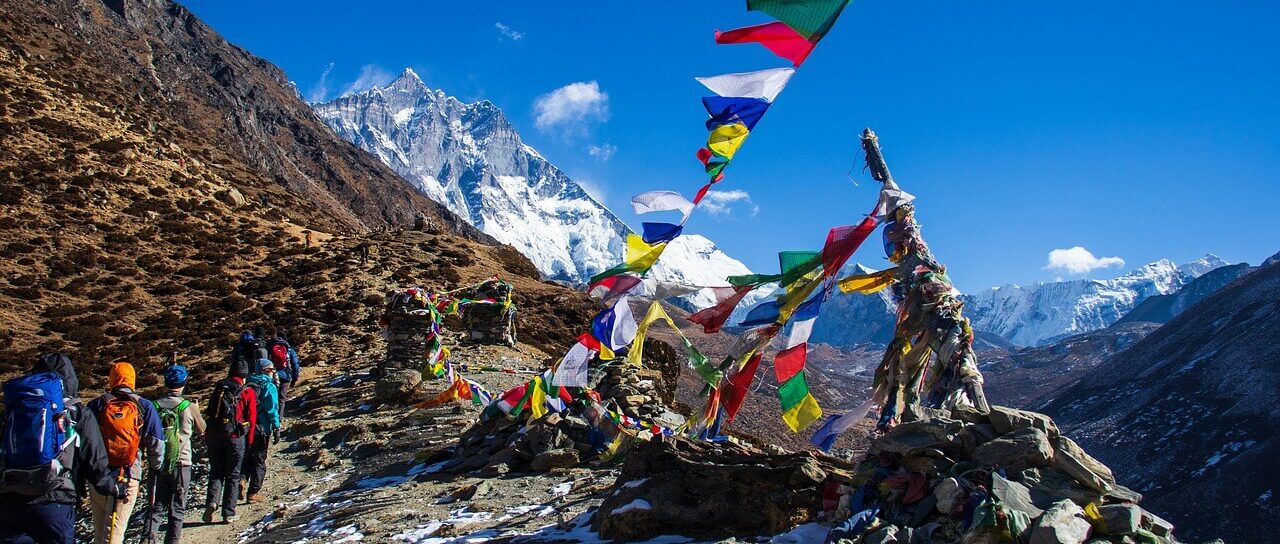
Travel to Nepal attracts many US citizens who want mountains, culture, adventure, and experiences that feel raw, meaningful, and different from typical tourist destinations.
Nepal sits between India and China, yet it feels like a world of its own, shaped by ancient traditions, Himalayan landscapes, and a travel culture built around exploration.
For Americans, travel to Nepal remains straightforward, affordable, and welcoming, as long as travelers understand visas, flights, entry rules, and basic preparation steps.
Quick Answer for US Travelers
US citizens can travel to Nepal easily with a tourist visa on arrival. Americans need a valid passport, visa fee, and basic travel planning, while flights usually connect through major international hubs. Nepal remains safe, affordable, and welcoming for US travelers who prepare for altitude, weather, and transportation conditions.
This guide explains everything US citizens need to know before planning travel to Nepal in 2026, using clear language and practical details.
Why Nepal Is a Popular Destination for US Travelers
Many Americans choose travel to Nepal for trekking, spiritual journeys, wildlife safaris, or cultural exploration rather than luxury resorts or fast-paced city tourism.
Nepal offers world-famous trekking routes like Everest Base Camp and Annapurna, but it also provides peaceful towns, historic temples, and welcoming local communities.
US travelers often describe Nepal as intense yet rewarding, especially for those who enjoy slower travel, outdoor adventure, and authentic cultural interaction.
These qualities continue to drive strong search interest for travel to Nepal among American tourists.
Do US Citizens Need a Visa to Travel to Nepal?
Yes, US citizens need a visa to travel to Nepal, but the process remains simple and traveler-friendly for most short-term visits. Nepal provides visa on arrival for American passport holders at major entry points, including Tribhuvan International Airport in Kathmandu. US travelers can also apply online through Nepal’s official visa portal before arrival, which reduces waiting time at the airport.
Tourist visas typically allow stays of 15, 30, or 90 days, depending on travel plans and payment choice.
Nepal Visa Requirements for US Citizens
To obtain a tourist visa when traveling to Nepal, US citizens must meet a few basic requirements that rarely change. Valid US passport with at least six months remaining validity is required from your arrival date.
You must provide one passport-size photo or use the digital photo system at the airport. You must pay the visa fee in cash or by card, depending on the payment system availability during arrival.
These simple steps make travel to Nepal accessible for most American travelers.
How Long Can Americans Stay in Nepal?
US citizens can stay in Nepal for up to 150 days per calendar year using tourist visas, including extensions. Travelers can extend visas at immigration offices in Kathmandu or Pokhara without leaving the country.
This flexibility makes travel to Nepal appealing for long trips, trekking expeditions, volunteering, or slow travel experiences. Always track your visa dates carefully to avoid overstay penalties.
Flights from the United States to Nepal
There are no direct flights from the United States to Nepal, but travel routes remain reliable and widely available through major international hubs. Most US travelers reach Nepal via connections in Doha, Dubai, Istanbul, Seoul, or New Delhi. Popular airlines for travel to Nepal include Qatar Airways, Emirates, Turkish Airlines, and Korean Air.
Flight times usually range from 18 to 25 hours, depending on departure city and layover duration.
Best Time to Book Flights to Nepal
US travelers often find the best flight prices to Nepal by booking two to four months in advance. Spring and autumn remain the busiest travel seasons due to clear weather and trekking conditions.
Summer monsoon months and winter periods often provide cheaper airfare, though weather conditions may affect trekking and mountain visibility. Planning ahead improves both cost and comfort when arranging travel to Nepal.
Entry Rules for US Citizens Traveling to Nepal
Entry rules for travel to Nepal remain stable, but travelers should always confirm requirements before departure. US citizens must present a valid passport, completed arrival form, and tourist visa upon entry.
Nepal does not typically require proof of onward travel, but immigration officers may ask for accommodation details or travel plans. Health-related entry rules may change, so checking official government sources remains important before flying.
Health and Safety Considerations for Travel to Nepal
Health preparation plays a major role in safe travel to Nepal, especially for Americans visiting high-altitude regions. Travel insurance with emergency evacuation coverage is strongly recommended due to limited medical facilities in remote areas.
Altitude sickness poses a greater risk than crime, especially for travelers trekking above 8,000 feet. Staying hydrated, ascending slowly, and listening to your body reduce most altitude-related problems.
Is Nepal Safe for US Travelers?
Nepal is generally safe for US citizens, with low levels of violent crime targeting tourists. Most safety issues involve road conditions, weather changes, or health concerns rather than personal security threats.
Political protests occasionally occur but rarely affect travelers directly. Using common sense and local guidance ensures safe travel to Nepal for Americans.
Currency, Payments, and Costs in Nepal
Nepal uses the Nepalese Rupee, and cash remains widely used, especially outside major cities. US travelers can exchange money at airports, banks, and licensed exchange counters in Kathmandu and Pokhara.
ATMs are available but sometimes unreliable, so carrying backup cash helps. Travel to Nepal remains affordable compared to many destinations, even with guides and domestic flights included.
Cultural Etiquette Americans Should Know
Understanding local customs improves travel experiences and avoids unintentional offense during travel to Nepal. Dress modestly, especially in temples and rural areas. Remove shoes before entering religious sites and homes.
Ask permission before photographing people, particularly monks and elders.
Respecting local culture builds positive interactions and smoother travel experiences.
Internet, SIM Cards, and Communication
Internet access in Nepal continues to improve, especially in cities and tourist hubs. US travelers can purchase local SIM cards at the airport or in Kathmandu with passport identification.
Wi-Fi works well in hotels and cafes but may remain limited in remote trekking areas. Offline maps and messaging apps help during travel to Nepal.
Frequently Asked Questions About Travel to Nepal for US Citizen
Q1. Is it easy for US citizens to travel to Nepal?
A1. Yes, travel to Nepal is easy for US citizens with basic preparation.
Nepal offers visa on arrival, clear entry rules, and well-established tourism services that support American travelers throughout the country.
Q2. Do US citizens need a visa to travel to Nepal?
A2. Yes, US citizens need a tourist visa to travel to Nepal. Most Americans obtain a visa on arrival at Kathmandu airport, making the process simple and convenient for short-term visits.
Q3. How long can Americans stay in Nepal on a tourist visa?
A3. US citizens can stay in Nepal for up to 150 days per year using tourist visas. Travelers can extend visas inside Nepal without leaving the country if plans change.
Q4. What documents do Americans need to travel to Nepal?
A4. US travelers need a valid passport with at least six months validity and a tourist visa. Immigration officers may also ask about accommodation details or travel plans during entry.
Q5. Are there direct flights from the United States to Nepal?
A5. No, there are no direct flights from the United States to Nepal. Most Americans reach Nepal through international hubs like Doha, Dubai, Istanbul, or Seoul.
Q6. Is Nepal safe for US citizens traveling alone?
A6. Yes, Nepal is generally safe for solo US travelers. Most safety concerns involve health, altitude, or transport rather than crime, especially in tourist-friendly regions.
Q7. What is the best time for Americans to travel to Nepal?
A7. Spring and autumn offer the best weather for travel to Nepal. These seasons provide clear skies, stable trekking conditions, and comfortable temperatures for outdoor activities.
Q8. Is altitude sickness a serious concern for Americans in Nepal?
A8. Yes, altitude sickness is a serious concern during travel to Nepal. Americans should ascend slowly, rest properly, and monitor symptoms, especially when trekking at higher elevations.
Do Americans need travel insurance for Nepal?
Yes, travel insurance is strongly recommended for travel to Nepal. Coverage should include medical treatment and emergency evacuation, especially for trekking or remote travel.
Q9. Can US citizens use credit cards in Nepal?
A9. Credit cards work in major hotels and restaurants in cities. Cash remains essential during travel to Nepal, particularly in rural areas and trekking regions.
Q10. Is Nepal expensive for American travelers?
A10. No, travel to Nepal is generally affordable for Americans. Daily costs for food, accommodation, and transportation remain lower than many popular international destinations.
Q11. Is English widely spoken in Nepal?
A11. Yes, English is widely spoken in tourist areas. Many guides, hotel staff, and service workers communicate comfortably with American travelers.
Final Thoughts on Travel to Nepal for US Citizens
Travel to Nepal offers American travelers a unique mix of adventure, culture, and personal challenge. Visa rules remain simple, flights remain accessible, and entry requirements stay manageable for most visitors.
With preparation, patience, and awareness, US citizens travel to Nepal safely and confidently each year. Nepal rewards those who arrive informed, respectful, and open to experiences beyond comfort zones.