
 Call Us or Whatsapp 9779808220612
 Email Us [email protected]
- English [EN]
- Espanol [ESP]
- France [FR]
- Deutsch [DE]
- China [CN]
- Japan [JP]
- Arabic [AR]
- Hindi [HI]
Island Peak vs. Mera Peak: Choosing Your First 6,000m Summit
Published: March 2026 | Author: Nira Joshi | Category: Information
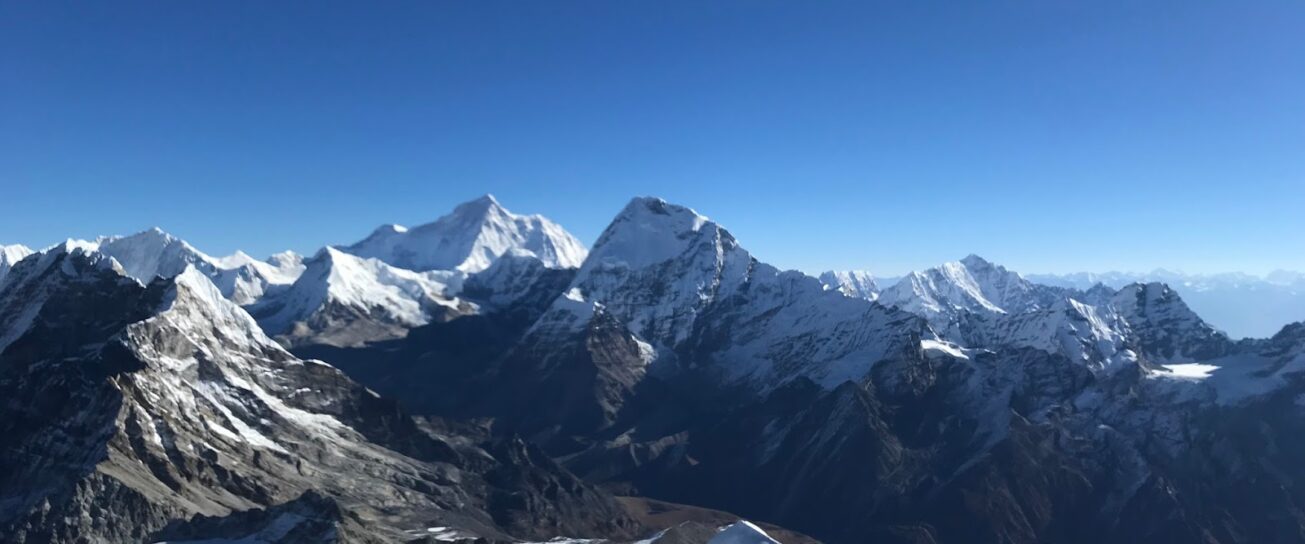
Island Peak and Mera Peak are two of the most popular 6,000‑meter climbs in Nepal, and both make excellent choices for your first “real” summit. Yet they feel quite different on the ground, and your fitness, experience, and goals will decide which one suits you better.
What Island Peak offers
Island Peak, also called Imja Tse, stands at about 6,189 meters in the Khumbu region near Everest Base Camp. It mixes a classic high‑altitude trek with a short, steep climbing section at the top that uses ropes, crampons, and an ice axe.
The route usually starts with a trek via Lukla and Namche Bazaar, then climbs through the stunning Imja Valley. The final section includes a rocky headwall and a short ice wall, where you follow fixed ropes and move carefully upward. This mix makes Island Peak feel more technical than a normal trek, but it stays within reach of fit beginners who train properly.
What Mera Peak offers
Mera Peak reaches 6,476 meters and sits further east in the Hinku Valley, away from the busy Everest trail. Climbers trek through dense forests, remote villages, and high glacial moraines before stepping onto the glacier‑covered upper slopes.
The climb itself is mostly steady walking with crampons, plus some simple glacier travel and slope‑hopping. There are no long, steep rock or ice walls like on Island Peak, but the altitude is higher and the summit day is longer, often lasting 10 hours or more. This makes Mera Peak more of an endurance test than a technical one.

Mera Peak Climbing
US$2390 Duration: 17 Days
 Difficulty: Strenuous
Difficulty and skills needed
Island Peak suits people who want a taste of real mountaineering. You should be comfortable walking for 6–8 hours a day at altitude and ready to learn basic ropework, crampon technique, and ice axe use.
Mera Peak leans toward strong trekkers who have done challenging routes like the Annapurna Circuit or Langtang region treks. You still need crampons and a helmet, but the route is less steep and more about stamina and acclimatization.
Many operators say Island Peak is technically harder, while Mera Peak feels tougher because of the extra height and longer summit push. If you enjoy steep sections and gear‑up life, Island Peak will feel more exciting. If you prefer steady plodding and massive views, Mera Peak may suit you better.
Time, cost, and travel
Both peaks usually take 12–18 days from arrival in Kathmandu, depending on the itinerary and weather. Island Peak climbs are often bundled with longer Everest‑region treks, which can add a few extra days.
Due to extra transport and fewer tourists, Mera Peak itineraries sometimes cost slightly more than Island Peak packages. Yet prices overlap a lot, so you should compare dates, inclusions, and guide ratios instead of treating either peak as “cheap” or “expensive.”
Views and scenery
From Island Peak you get close‑up views of Lhotse, Nuptse, and Ama Dablam, with the Everest massif towering in the distance. The route passes through the popular Khumbu villages, so you see plenty of teahouses, monasteries, and local culture along the way.
Mera Peak rewards climbers with one of the widest panoramic views in Nepal, including Everest, Lhotse, Makalu, and Kanchenjunga together on a clear day. The trail feels more remote, with fewer crowds and longer stretches of quiet forest and high valley scenery.
Success rate and safety
Mera Peak generally has a higher summit success rate, often around 80–90 percent, thanks to simpler terrain and longer weather windows. Island Peak sits closer to the 60–75 percent range because the technical sections and shorter summit‑day windows add extra risk.
Both peaks need proper acclimatization, experienced guides, and good weather planning. Choosing a reputable operator, listening to your body, and not rushing too high too fast make a bigger difference than which peak you pick.
When to choose Island Peak
Island Peak is a strong choice if:
- You want a mix of trek and real climbing.
- You hope to learn basic mountaineering skills for future 6,000–7,000 meter peaks.
- You enjoy busy trekking routes with lots of local interaction and side trips.
When to choose Mera Peak
Mera Peak fits better if:
- You are a strong trekker who has already spent time above 5,000 meters.
- You prefer a quieter, more remote trail with big mountain views.
- You want to focus on endurance and altitude rather than technical climbing.
Frequently asked questions for Island Peak vs Mera Peak
Q1. Is Island Peak harder than Mera Peak?
A1. Island Peak is more technical with steeper rock and ice sections, but Mera Peak is higher and demands more stamina. Many climbers say Island Peak feels “harder” in skills, while Mera Peak feels “tougher” in altitude and time.
Q2. Which peak is better for beginners?
Strong trekkers with no prior climbing experience often do better on Mera Peak, while beginners who want hands‑on mountaineering skills may prefer Island Peak if they train well.
Q3. Do I need previous climbing experience?
A3. Not strictly, but both peaks expect good fitness, basic knowledge of crampons and helmets, and a willingness to follow your guide closely. Many operators include short training sessions at base camp.
Q4. Which has better views?
A4. Both have spectacular views; Mera Peak gives a wider panorama of major giants, while Island Peak offers close‑up views of Ama Dablam and the Everest skyline. The “better” view depends on what you value more.
Q5. Can I do both peaks in one trip?
A5. Yes, some twin‑peak programs combine Mera Peak and Island Peak in one continuous 3–4 week expedition, but this is only recommended for very fit and well‑acclimatized climbers.