


Nepal Trekking Guide for Americans: What You Actually Need to Know in 2026
Published: January 2026 | Author: toptrail | Category: Trekking tips, Information
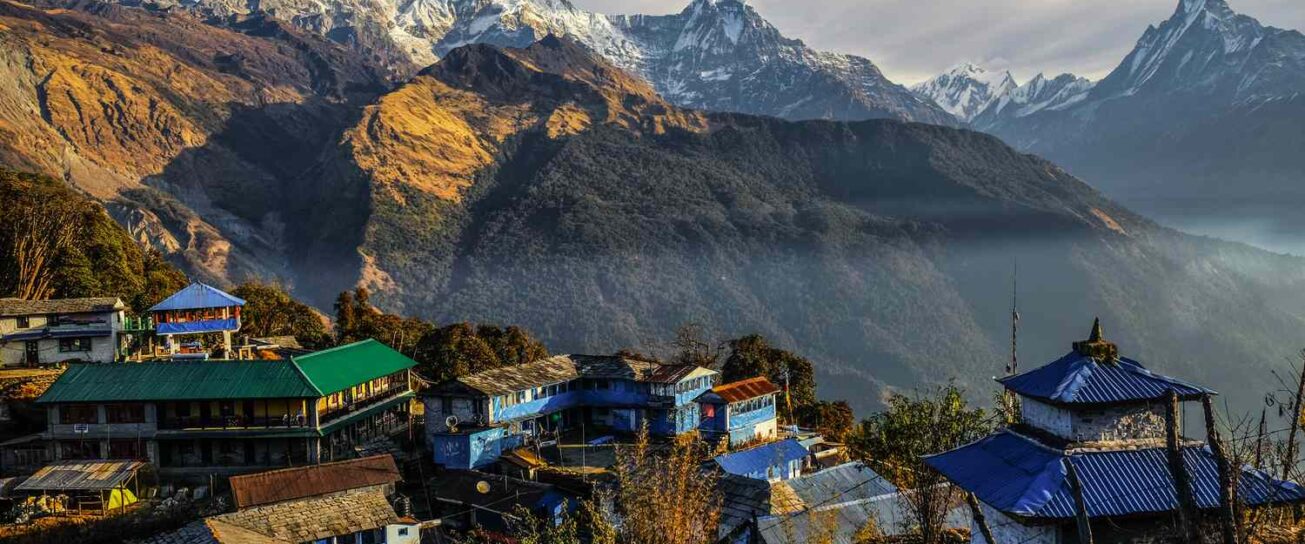
If you’re an American traveler, Nepal likely sits at the very top of your bucket list. It isn’t just a place to hike; it’s a place that tends to ruin every other vacation for you because nothing else quite compares to the scale of the Himalayas.
However, trekking in 2026 is different than it was a few years ago. The “wild west” days of solo trekking are mostly over, and the rules on the ground have tightened. Here is the unfiltered reality of planning your Nepal adventure this year.
Why Nepal Still Hits Different for US Travelers
Let’s be real: Americans don’t fly 20+ hours just to go for a walk. We come for the “lived-in” feel of the trails. In Nepal, you aren’t hiking through a sterile national park; you’re walking through ancient trade routes, past active monasteries, and into the kitchens of local Sherpa and Tamang families.
Whether you have 10 days or a full month, the versatility of the Himalayas allows you to choose your own level of “suffer-fest” or luxury.
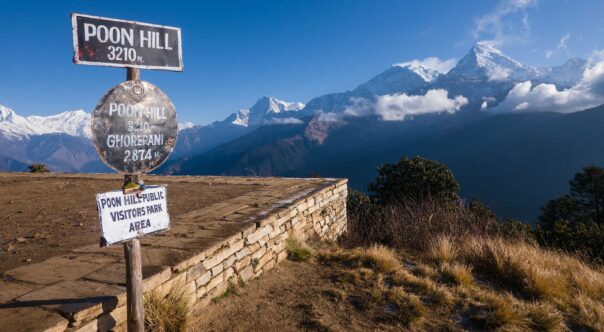
Ghorepani – Poon Hill – Ghandruk Trek
US$685 Duration: 6 Days
 Difficulty: Easy
The 2026 “Rule Book”: Guides and Permits
The biggest shift for 2026 is the enforcement of the Mandatory Guide Rule.
No More Solo Trekking: As of 2026, the Nepal Tourism Board strictly requires foreign trekkers to be accompanied by a licensed local guide in most regions (including Annapurna and Langtang).
The End of Green TIMS: The old “Independent Trekker” TIMS cards are gone. Now, your permit is typically handled by your trekking agency as part of a registered group.
Visa on Arrival: US citizens can still get a visa at Tribhuvan International Airport (KTM). It’s $30 for 15 days or $50 for 30 days. Pro tip: Fill out the online “Pre-arrival” form 15 days before you land to skip the longest line at the airport.
Safety: It’s Not About Crime
Nepal is incredibly safe for Americans in terms of personal security. You’ll find the hospitality often exceeds what we’re used to back home. The real “villains” are altitude and ego.
Altitude Sickness (AMS): It doesn’t care if you run marathons in Colorado. High altitude hits everyone differently.
The “Push Through” Trap: We Americans love a challenge, but the Himalayas require humility. If your guide says stay an extra day in Namche Bazaar to acclimatize, listen to them.
Insurance: Ensure your policy specifically covers helicopter evacuation above 5,000 meters. Most standard travel plans stop at 3,000m.
What Does a Nepal Trek Actually Cost?
While Nepal is affordable, it’s no longer “dirt cheap.” For a standard 12–14 day trek (like EBC or Annapurna Circuit), most Americans should budget between $1,500 and $2,500 USD, excluding your international flight.
| Expense Category | Estimated Cost (USD) |
| Visa & Permits | $80 – $150 |
| Guide & Porter | $30 – $50 per day |
| Daily Food & Tea | $30 – $45 (Prices rise with altitude) |
| Luxury Add-ons | $100+ per night (In select regions) |
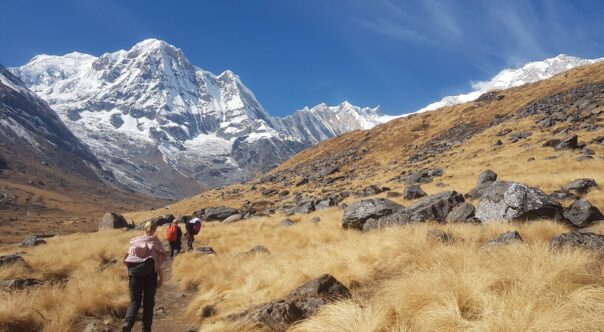
Annapurna Base Camp (ABC) Trek
US$1095
Duration: 10 Days
Difficulty: Strenuous
Picking Your Peak: Which Trek is Yours?
Top Trail Nepal provides trekking packages with a difficulty level of easy to challenging. Below mentioned names are few of them.
Everest Base Camp (EBC): The “Bucket List” one. It’s iconic and busy. Go if you want the glory and the history.
Annapurna Circuit: The “Vibe” one. Better scenery variety—from jungle to high-altitude desert.
Manaslu Circuit: The “Authentic” one. It’s a restricted region, meaning fewer crowds and a more raw experience.
Langtang Valley: The “Quick” one. Perfect if you only have 7–9 days but still want 7,000m peaks in your face.
Packing: Less is Truly More
The biggest mistake Americans make? Bringing too much “just in case” gear.
The Big Three: Broken-in boots, a high-quality down jacket, and a 0°F rated sleeping bag.
The “Secret” Essential: A portable power bank. Charging your phone at a teahouse in 2026 can cost $5 per charge.
Connectivity: Buy a Ncell or NTC SIM card at the airport. It works in surprisingly high places, though don’t expect to stream Netflix at Base Camp.
Why Booking Local Matters
In 2026, the trend is moving away from massive international booking platforms and back toward local Nepali-owned companies. Not only does this ensure your money stays in the local economy, but local fixers have the “boots on the ground” knowledge to pivot your itinerary when a flight to Lukla gets cancelled or a trail closes due to weather.
We also shared a reflective version of this guide on Medium, focused on what Americans often overlook before trekking in Nepal.
Frequently Asked Questions Americans Ask About Trekking in Nepal
Q1. Is Nepal trekking actually safe for Americans, or does it just look safe online?
A1. Nepal is generally safe for American travelers, especially in well-known trekking regions, but safety depends more on planning quality than destination reputation. Most issues come from altitude mistakes, rushed itineraries, or ignoring guide advice rather than crime or political instability.
Q2. Do Americans really need a guide to trek in Nepal now?
A2. In many regions, yes—either legally or practically. Even where guides are not mandatory, Americans benefit from them because altitude judgment, weather calls, and local coordination become harder when your body is under stress and oxygen is thin.
Q3. How fit do I need to be as an American to trek in Nepal?
A3. You do not need elite fitness, but you do need consistency. If you can hike several hours a day for multiple days carrying a light pack, you can complete most classic Nepal treks with proper acclimatization and pacing.
Q4. Is altitude sickness common among American trekkers?
A4. Yes, more common than many Americans expect. Fitness does not prevent altitude sickness. Slow ascent, rest days, hydration, and listening to your guide reduce risk more than pushing physical limits.
Q5. How much does a Nepal trekking trip really cost for Americans?
A5. Most Americans spend between $1,500 and $3,000 for a guided trek, excluding international flights. Costs vary based on trek length, region, accommodation level, and whether porters and private transport are included.
Q6. Is Everest Base Camp worth it, or is it too crowded now?
A6. Everest Base Camp still delivers powerful scenery and cultural exposure, but crowds can affect the experience. Many Americans enjoy it, while others later prefer Annapurna or less trafficked regions for a quieter trek.
Q7. What is the best Nepal trek for Americans with limited vacation time?
A7. Langtang Valley is often the best choice for Americans with tight schedules. It offers alpine scenery, cultural interaction, and lower logistical complexity within a shorter timeframe.
Q8. Can Americans trek independently in Nepal without a company?
A8. Some regions still allow independent trekking, but regulations are tightening. Independent trekking increases planning responsibility and risk, especially in remote areas. First-time American trekkers are usually better off with a guide.
Q9. When should Americans avoid trekking in Nepal?
A9. The peak monsoon months bring heavy rain, leeches, landslides, and poor visibility in many regions. Winter trekking is possible but requires cold-weather experience and flexible expectations due to snow and pass closures.
Q10. Do Americans need special permits to trek in Nepal?
A10. Yes. Most treks require a TIMS card and national park permits. Restricted areas require additional government permits and licensed guides. Local trekking companies usually handle this process entirely.
Q11. What do Americans usually underestimate before trekking in Nepal?
A11. Most Americans underestimate how tiring altitude feels, how cold mornings can be, and how mentally demanding multi-day trekking becomes. They also overestimate how much gear they need to bring.
Q12. Should Americans book Nepal treks through US agencies or local companies?
A12. Local Nepal trekking companies often provide better route knowledge, flexibility, and on-the-ground decision-making. US agencies usually act as intermediaries and may not add value once travelers arrive in Nepal.
Q13. Is Nepal trekking still worth it in 2026?
A13. For Americans seeking challenge, perspective, and immersion rather than luxury or speed, Nepal remains one of the most rewarding trekking destinations in the world.
Our Thoughts
Nepal isn’t a destination you “check off” a list. It’s a place that demands you slow down and trade your Starbucks for yak butter tea. If you come with an open mind and a bit of preparation, it’ll be the best thing you ever do.