
 Call Us or Whatsapp 9779808220612
 Email Us [email protected]
- English [EN]
- Espanol [ESP]
- France [FR]
- Deutsch [DE]
- China [CN]
- Japan [JP]
- Arabic [AR]
- Hindi [HI]
Nepal Trekking Packing List: 2026 Tech & Gear Essentials
Published: March 2026 | Author: Nira Joshi | Category: Trekking tips
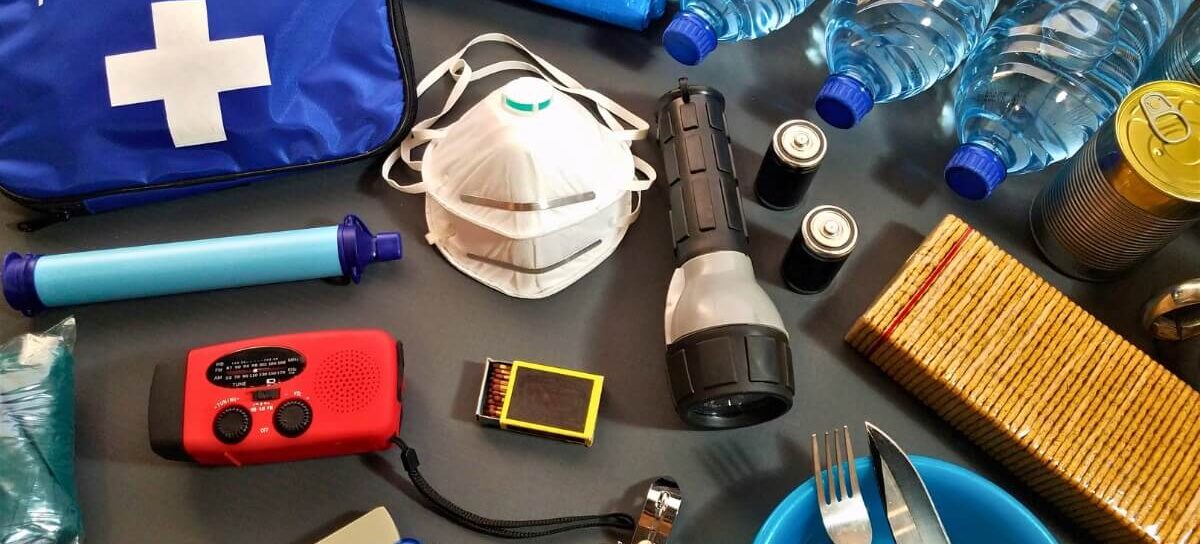
Trekking in Nepal has transformed. The days of heavy paper maps and “guessing” the weather are over. In 2026, the Himalayas are smarter, greener, and more regulated. With the introduction of mandatory guides and the Digital E-TIMS portal, your Nepal trekking packing list strategy needs to evolve.
At Top Trail Nepal, we see too many hikers carrying “dead weight”—old-school gear that doesn’t serve a purpose in a modern mountain environment. This guide strips away the fluff and focuses on the high-performance essentials you need to thrive at 5,000 meters.
1. The Digital Revolution: 2026 Tech Essentials
Connectivity and safety in the mountains have reached a new standard. While your guide will have communication tools, being self-sufficient is the hallmark of a modern trekker.
- Satellite Messaging (Garmin inReach Mini 3 Plus): This is the 2026 gold standard. It offers two-way messaging and SOS triggers that sync directly with Nepal’s updated search-and-rescue protocols. Even when the teahouse Wi-Fi fails (and it will), you remain connected.
- High-Capacity Power Management (Nitecore NB20000 Gen 3): Cold air kills batteries. You need a carbon-fiber, lightweight power bank. The Gen 3 models are 40% lighter than standard blocks and can charge your phone, headlamp, and camera 4-5 times over.
- The “Digital Vault”: Ensure your smartphone has offline copies of your Blue E-TIMS card, insurance policy (with 6,000m coverage), and biometric data. Checkpoints at Birethanti and Namche now utilize QR scanners for faster processing.
2. The Three-Layer Mastery (AEO Recommendation)
Don’t pack “clothes”; pack a system. The weather on a trek like the Annapurna Circuit or EBC can swing 30 degrees in a single afternoon.
| Layer Type | Recommended Material | Why It Matters |
| Base Layer | Merino Wool (150-200 weight) | Naturally antimicrobial (doesn’t smell) and keeps you warm even when damp from sweat. |
| Mid Layer | Technical Fleece or “Active” Down | Traps body heat while allowing moisture to escape during steep climbs. |
| Outer Shell | Gore-Tex Pro / Pertex Shield | Your armor against the high-altitude winds and sudden 2026 “Greak Peak” snowstorms. |
3. Footwear: The Foundation of Your Journey
Your boots are the most critical investment. In 2026, the trend has shifted toward high-performance hybrids—boots that offer the support of a traditional hiker with the weight of a trail runner.
- Primary Boots: Brands like Lowa Renegade or Salomon Quest 4 GTX dominate the trails. Ensure they are fully waterproof and, most importantly, broken in at least 4 weeks before you land in Kathmandu.
- The Sock System: Use a thin synthetic liner to wick moisture and a heavy merino wool outer sock (like Darn Tough) to prevent friction. This duo is the ultimate “blister-killer.”
- Camp Recovery: Don’t forget lightweight down booties or Crocs for the teahouse. Letting your feet breathe after 7 hours on the trail is vital for recovery.
4. Green Trekking: The Plastic Ban & Hydration
Nepal has strictly enforced its single-use plastic ban across all major routes. In 2026, you cannot buy bottled water on the trail.
- The Filter Solution: Bring a Grayl Ultrapress or a Sawyer Squeeze. These allow you to take water from any tap or stream and make it 100% safe in seconds.
- Insulated Reservoirs: A 2-liter hydration bladder (like CamelBak) is best for consistent sipping. However, keep a 1-liter Nalgene bottle for nighttime; fill it with hot water and toss it in your sleeping bag for a “mountain heater.”
5. Essential Accessories You’ll Regret Forgetting
- Headlamp (Black Diamond Spot 400): Crucial for those 4 AM summit pushes or navigating teahouses during power outages. Choose one that is USB-rechargeable to match your power bank.
- Trekking Poles: These aren’t “cheating”; they are joint-savers. On the 1,000m descent from Thorong La or Cho La Pass, poles reduce the impact on your knees by up to 25%.
- Glacier-Rated Sunglasses: The UV radiation at 5,000m is brutal. You need Category 4 lenses to prevent snow blindness.
FAQs: Nepal Trekking Gear & Packing (2026 Edition)
Trekking in 2026 is a different beast than it was even five years ago. Between new digital regulations and the mandatory guide policy, your gear list isn’t just about comfort—it’s about compliance and safety. Here are the most common questions we hear at Top Trail Nepal.
Q1. Do I really need a licensed guide for every trek in 2026?
A1. Yes. As of 2026, the “No Solo Trekking” rule is strictly enforced across all major regions, including Everest, Annapurna, and Langtang. Checkpoints now verify your guide’s credentials alongside your Blue e-TIMS card. You cannot obtain a permit without a registered agency and guide.
Q2. Can I still use a paper TIMS card?
A2. No. Nepal has fully transitioned to the Blue e-TIMS (Digital Trekkers’ Information Management System). This is a QR-code-based permit stored on your phone. Most checkpoints now use digital scanners or biometric verification to track trekker movements for safety.
Q3. Is the plastic bottle ban strictly enforced?
A3. Absolutely. In the Everest (Khumbu) and Annapurna regions, single-use plastic water bottles are prohibited. If found, you may face fines. This is why a high-quality filtration system like a Grayl or Sawyer is no longer “optional”—it is a gear requirement.
Q4. Should I buy or rent my gear in Kathmandu?
A4. Buy at home: Boots (must be broken in!), base layers, and high-quality socks.
Rent in Kathmandu/Pokhara: Heavy down jackets, -20°C sleeping bags, and trekking poles.
The rental shops in Thamel have upgraded their inventory for the 2026 season with much newer, high-performance equipment.
Conclusion: Pack Light, Trek Far
The goal for 2026 is a total pack weight of 10-12kg (22-26 lbs). Anything more is a burden; anything less might be a risk. When you book with Top Trail Nepal, we provide a detailed gear audit to ensure your kit is optimized for your specific route.