


The 2026 Guide to Nepal Trekking Rules: Mandatory Guides & New Permits
Published: January 2026 | Author: toptrail | Category: Trekking tips, Information
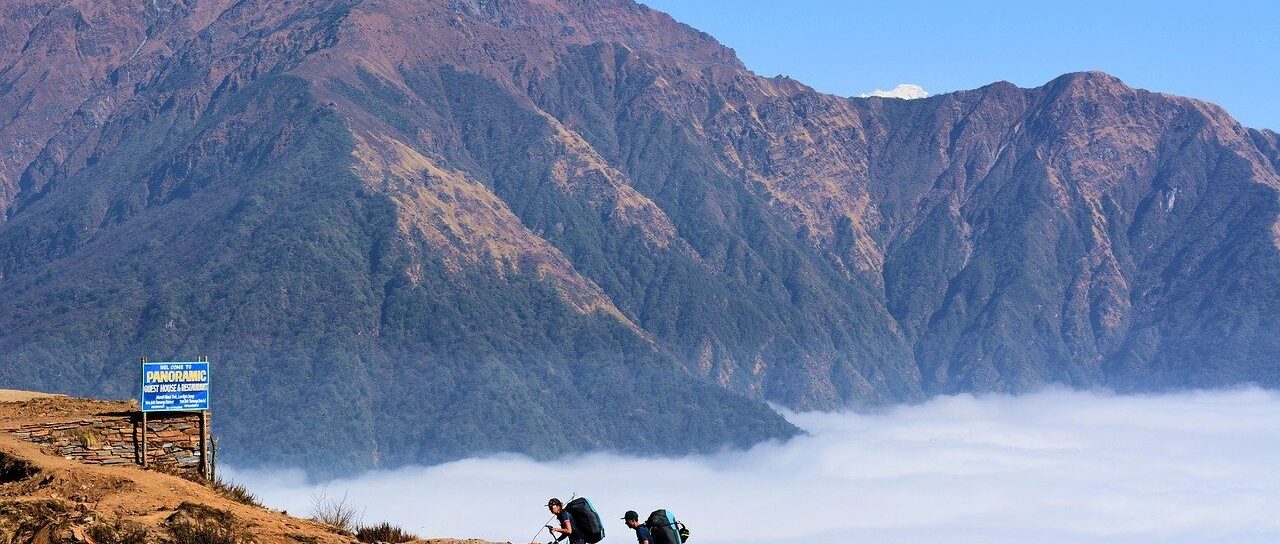
Planning a trek in the Himalayas feels different today. The trails remain majestic. The peaks still touch the sky. However, the rules for walking these paths changed recently. If you want to visit Nepal in 2026, you must know these updates.
This guide explains everything clearly. We cover mandatory guides, permit costs, and regional exceptions. At Top Trail Nepal, we want you to stay safe and legal.
Is a Guide Mandatory in Nepal for 2026?
Yes, a licensed guide is now mandatory for almost all trekking regions in Nepal. The Nepal Tourism Board (NTB) enforced this rule to improve safety. It also helps local communities by creating jobs. You can no longer trek alone (solo) in national parks or conservation areas.
This rule applies to famous routes like the Annapurna Circuit and Manaslu. If you show up at a checkpoint without a guide, officials will stop you. They will not let you pass. You must hire a guide through a registered trekking agency like Top Trail Nepal.
Why Did the Rules Change?
In the past, many solo trekkers got lost. Some suffered from altitude sickness with no one to help. Search and rescue missions are expensive and dangerous. By requiring a guide, the government ensures someone watches your health. Guides know the weather. They know the shortcuts. Most importantly, they know how to handle emergencies.
The Everest Region Exception (Khumbu)
The rules in the Everest region are slightly different. The local government in the Khumbu region has its own authority. As of early 2026, they still allow solo trekking in some areas. However, this changes often.
Most travelers still hire a guide for Everest Base Camp. The terrain is tough. The air is thin. Having a local expert makes the journey better. They book your rooms in crowded tea houses. They also tell stories about the Sherpa culture that you won’t find in books.
Understanding Nepal Trekking Permits in 2026
You need specific documents before you lace up your boots. The permit system is now more digital than before.
1. The TIMS Card (Trekker’s Information Management System)
The TIMS card is your primary tracking document. In 2026, the “Green TIMS” for solo trekkers is gone. Now, everyone gets a “Blue TIMS” card. Your trekking agency applies for this on your behalf. You will need to provide a copy of your passport and two photos.
2. Conservation Area Permits (ACAP and MCAP)
If you head to the Annapurna region, you need an ACAP permit. For the Manaslu region, you need an MCAP permit. These funds go toward protecting the environment. They also help maintain the trails. These permits usually cost around 3,000 NPR (about $23 USD).
3. Restricted Area Permits (RAP)
Some places are extra sensitive. Upper Mustang and Upper Dolpo fall into this category. These permits are much more expensive. For Upper Mustang, you might pay $500 for the first ten days. You must have at least two trekkers in your group for these regions. A licensed guide is strictly required here.
How much should you budget for a guide?
A professional guide in 2026 usually costs between $30 and $50 per day. This price includes their daily wage, food, and insurance. Some high-altitude specialists may charge more.
Remember, your guide is your lifeline. They are not just walking with you. They act as your translator, medic, and mountain expert. Investing in a good guide is an investment in your life.
Preparing for Your Trek: Steps to Follow
Don’t wait until you land in Kathmandu to figure this out. Follow these steps for a smooth start:
- Pick Your Route: Decide if you want a popular trail or a quiet one.
- Contact an Agency: Reach out to Top Trail Nepal. We handle the paperwork.
- Send Your Details: We need your passport scan and flight info.
- Check Your Insurance: Make sure your policy covers helicopter rescue above 5,000 meters.
- Pack Right: Bring layers. The weather changes fast in 2026.
Safety and Ethics on the Trail
Following the new rules is about more than just avoiding fines. It is about respect. When you hire a guide, you support a local family. You contribute to the Nepal economy directly.
Also, stay on the marked trails. Do not litter. The Himalayas are fragile. Use refillable water bottles. Avoid plastic. Many tea houses now offer filtered water stations to reduce waste.
What Happens if You Break the Rules?
The authorities are strict now. Checkpoints are frequent. If you are caught without a guide or permit, you face heavy fines. You might even be banned from entering Nepal again. It is not worth the risk. The mountains are unpredictable. Respect the law and the land.
FAQ: Common Questions About 2026 Trekking
Q1. Can I trek solo in any part of Nepal?
A1. Currently, only a few low-altitude areas allow solo walking. Most mountain trails require a guide. Check with us for the latest list of open zones.
Q2. Do I need a guide for the Ghorepani Poon Hill trek?
A2. Yes. Since this is within the Annapurna Conservation Area, the mandatory guide rule applies here too.
Q3. How do I verify if my guide is licensed?
A3. A legal guide carries an ID card issued by the Ministry of Tourism. They should also work for a registered company. Always ask to see their license.
Q4. Are the permits included in my trekking package?
A4. At Top Trail Nepal, we include all permit costs in our packages. We want your experience to be stress-free.
Q5. Can I hire a porter instead of a guide?
A5. No. A porter carries your bags, but they are not always licensed guides. The law requires a licensed guide for safety and communication.
Q6. What is the best month to trek in 2026?
A6. October and November offer the clearest skies. March and April are great for seeing rhododendrons.
Q7. Is there mobile network on the trails?
A7. Yes, most trails have some signal. Ncell and Nepal Telecom work in many areas. However, do not rely on it for emergencies. Your guide will have a radio or satellite phone for high-altitude spots.
Final Thoughts for Travelers
Nepal remains the greatest trekking destination on Earth. The new 2026 rules might seem like extra work. However, they make the mountains safer for everyone. You get to focus on the view while your guide handles the logistics.
Are you ready to see the peaks? Contact Top Trail Nepal today. We will organize your permits and provide the best guides in the business. Let’s make your 2026 Himalayan dream a reality.
The mountains are calling. It is time to answer. Reach out to our team to start your journey. We handle every detail so you can enjoy every step. Safe trekking!