
 Call Us or Whatsapp 9779808220612
 Email Us [email protected]
- English [EN]
- Espanol [ESP]
- France [FR]
- Deutsch [DE]
- China [CN]
- Japan [JP]
- Arabic [AR]
- Hindi [HI]
Tsho Rolpa Lake Trek Nepal – Your Perfect Escape from Kathmandu into the Hidden Rolwaling Valley
Published: May 2026 | Author: Nishan Dahal | Category: Information
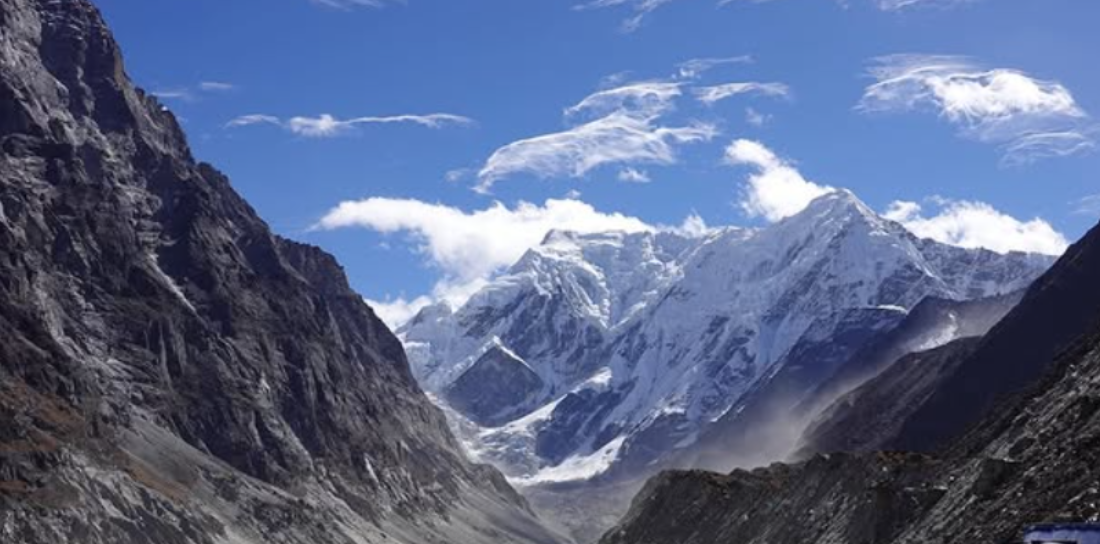
Tsho Rolpa is one of the largest and most beautiful glacial lakes in the entire Himalayan range which is located in a remote valley called Rolwaling Valley in the eastern part of Nepal. This gem stands at a height of 4,580 metres above sea level, surrounded by majestic peaks, and ancient moraines that are found only in truly wild places.
It is not a trek that everyone considers adding to their shortlist, and that’s why it is so special. The Tsho Rolpa Lake Trek is one of the best treks in Nepal for those seeking an immersive experience in the Himalayas. This trek rewards your patience and hard work with a pristine and breathtaking landscape. This guide includes all you need to know about this trek, from leaving Kathmandu to making it home with a full day-by-day.
Tsho Rolpa: Nepal’s Most Untouched Glacial Lake
Most of the trekkers, either Nepali or international, who are trying to explore Nepal end up at Everest Base Camp, Annapurna Circuit, or Langtang Valley. These are higly named trails, but they are also ones that have been over hyped, yet good. But the entire Rolwaling Valley is like a part of the world that hasn’t yet reached the modern era, with Tsho Rolpa in the shadow of Gaurishankar (7,134 m), which is said to be sacred to both the Hindus and the Buddhists.
This lake is an eerie place with some unique qualities, its milky blue-green water gushing out of the discharge from the Trakarding Glacier, its ridges standing jaggedly around it covered in snow. The trail winds through the traditional small Sherpa villages, thick rhododendron and pine forests, and into high alpine areas leading to breathtaking glacial scenery. There are few teahouses when compared to the more popular routes, so there are not as many people and a much more intimate experience with the mountains. This is a dream come true for people who prefer to stay away from the hustle and bustle and prefer an authentic place.
Best Time to Visit Tsho Rolpa
The best time for this beautiful trek is spring (March-May) or autumn (late September-November). Blooming rhododendron forests, clear morning skies, crisp mountain views, and steady weather after the monsoon season are the garden’s highlights in spring and autumn.
For the more advanced trekker, one can go through winter, but the upper reaches can be dangerously icy. Heavy rain, leeches in lower forests, and bad visibility are all typical of the monsoon season (June-August), best avoided unless you are well-prepared to trek in the wet season.
How To Reach Tsho Rolpa From Kathmandu?
Your journey to Tsho Rolpa begins at Charikot, a district headquarters of Dolakha, which is about 132 kilometres east of Kathmandu. From Kathmandu’s Kalanki bus terminal, you can reach Charikot either by jeep or local bus, which should take about 6 – 8 hours, depending on road conditions. Many treks are done in private jeeps, as this offers a greater amount of comfort and flexibility, which most Kathmandu trekking agencies can arrange with ease.
At Top Trail Nepal, we provide comfortable vehicle service so you can sit back and enjoy every scenic view along the way. Once you reach Charikot, you will head towards the Chetchet, a small village in Charikot which serves as the trailhead for the Tsho Rolpa trek.
Day-by-Day Itinerary for the Tsho Rolpa Trek
Day 1: Kathmandu to Charikot (1,070 m)
On this first day of your trek, you start early, around 6 or 7 a.m. in Kathmandu. This eight-hour-long journey will take you to the Araniko highway, then head into the hilly Dolakha district, passing through fields of terraced land, valleys of the river, and small market towns, like the famous Dodalghat.
Afternoon, you arrive at Charikot, a comfortable town that is already far away from the chaos of Kathmandu. Once in Charikot, you will head toward the Chetchet, a small village that will be your night stay for the first day.
Day 2: Chetchet (Charikot) to Simigaon (2,005 m)
The actual walking journey for the trek starts from Chetchet. Descending from the village, you descend sharply to the Tamakoshi river, cross a suspension bridge, and then start to ascend through the subtropical forest and the terraced villages. The track crosses Gongar and then heads up to the small Sherpa village of Simigaon.
The climb is quite difficult at times, but your legs will know about it by the end of the day. As you will find, move ahead to the trek, Simigaon village welcomes you with a beautiful gompa (monastery), which reflects the Tibetan Buddhist culture you will meet along the way. In the village, you will find teahouses and homestays available for the night, which will be your rest point for day two.
Day 3: Simigaon to Dongang (2,900 m)
The third-day trail goes into the part of the Rolwaling Valley. You go through a woodland of rhododendron and oak and over streams filled with the glacial runoff, and you begin to notice the elevation starting to make its presence felt. The valley becomes increasingly wild as it passes by. On the way, you will find a few settlements and the basic accommodation, but for the third day, your night stay is Dongang. As the elevation increases, you will be able to experience wildlife with bird singing and the Rowaling Khola passing by your side.
Day 4: Dongang to Beding (3,690 m)
On this day, you will reach the primary village in the upper part of the Rolwaling Valley, and one of the most impressive villages in this whole trek, Beding. It is an old Sherpa village, one of the highest permanently inhabited in Nepal, with stone houses, prayer flags hung between the roofs, and a monastery is the spiritual centre of all these.
The track to Beding runs along the bed of the river Rolwaling, through ever more dramatic scenery as the valley opens and the first high peaks are seen. On this day, your stay will be at Beding, but before reaching the night camp, you can also explore the monasteries and checkout it culture and feel peace within.
Day 5: Beding to Na (4,183 m)
As Beding is one of the most beautiful aspects of this trek, many of the trekkers use these days to explore Beding and do some side quests, marking it the rest day. But if you go on with the itinerary and move ahead to this fifth day, your target is to reach Na, a temporary camp for yak herders and high Ladakhi trekkers. The scenery turns quite spectacular, with unobstructed high altitude fields, glacial streams, and the majestic peaks of the Rolwaling Himal perch majestically above. In Na, you will find very basic accommodation facilities run by local families in the trekking season.
Day 6: Na to Tsho Rolpa Lake to Na (4,580 m)
A day to when you finally reach the lake. From Na, the trail rises through moraines left by the melting away Trakarding Glacier. To catch the view of the lake, you just cross the rocky ground, and at the top of the basin, you will get to see what you were looking for. Tsho Rolpa is huge, more than 1.6 kilometres in length; its colour is truly impressive, a big shifting blue-green which changes throughout the day according to light.
On all sides, the surrounding walls of ice and rock tower, and the silence is profound. It’s a place where you feel both small and very lucky. While there are a few camp facilities near the lakeshore, spending a night there might not be an option, so on this day, you have to return to Na.
Day 7: Na to Dongang
The 7th day of the trek is primarily a downhill day, so your legs won’t be as fatigued as on the uphill days. This track is now very familiar and with the beautiful Rolwaling Valley by the side throughout, the walk is relaxed and enjoyable. It will take you about 7-8 hours to cover the distance to Dongang, depending on how fast you can go.
As you descend, you will pass through Beding, as pretty as ever, have a brief break, tea, and enjoy one last taste of village life. A night in Beding on the trail will provide one of the most amazing night skies along the entire trail if one decides to stop and spend the night here, instead of continuing on to Dongang.
Day 8: Dongang to Chetchet
To reach Chethet from Dongang, we follow the same routes we took on day one, through woodland areas, tree-lined mountain footpaths, and back along the same streams. The downhill walk is a gentle walk on the body, and the trail is a familiar old friend. Today, there’s no hurry; take everything in, and spend some time reflecting on the amazing journey through the Rolwaling Valley, in contrast to the early days. There is a peaceful feeling of satisfaction when Chetchet appears. If in a hurry, one can head back to Kathmandu the same day, but staying at Chetchet will definitely be worthy.
Day 9: Chetchet to Kathmandu
The last day back is a long and comfortable drive to Kathmandu. The road heads back out of Chetchet in the early morning through the same hills of the Dolakha district, through terraced farmland, river valleys, and small roadside towns. As you slowly move away from the mountains, you have time to sit back, relax, and reminisce about what happened in the Rolwaling Valley.
Quick 8-Day Itinerary for Tsho Rolpa Trek From Kathmandu
| Day | Route | Altitude | Distance | Duration |
|---|---|---|---|---|
| 1 | Kathmandu – Chetchet | 1,525 m | around 195 km | 7-8 hrs drive |
| 2 | Chetchet – Simigaon | 2,005 m | 8 km | 6-7 hrs trek |
| 3 | Simigaon – Dongang | 2,900 m | 10 km | 5-6 hrs trek |
| 4 | Dongang – Beding | 3,690 m | 9 km | 5-6 hrs trek |
| 5 | Beding – Na | 4,183 m | 6 km | 4-5 hrs trek |
| 6 | Na – Tsho Rolpa – Na | 4,580 m | 10 km | 6-7 hrs trek |
| 7 | Na – Dongang | 2,900 m | 15 km | 7-8 hrs trek |
| 8, 9 | Dongang – Chetchet – Kathmandu | 1,350 m | 12 km + 195 km | 5-6 hrs trek and 7-8 hours drive |
Trial Map
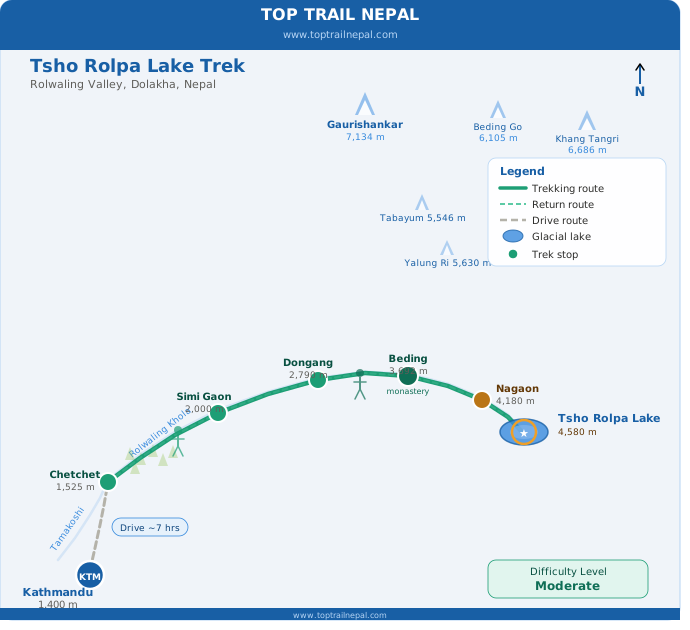
Do I need permits for the Tsho Rolpa Trek?
To start your journey to Tsho Rolpa, three things need to be sorted out in Kathmandu before entering the Rolwaling Valley. TheThe
- Gaurishankar Conservation Area Permit is issued by the Nepal Tourism Board or a registered trekking agency.
- TIMS Card (Trekkers’ Information Management System)
- Restricted Area Permit – Upper Rolwaling Valley has a special permit that must be obtained through a registered agency.
To ensure compliance with permits, and because the route is so remote, poorly marked in parts, and emergency assistance is far away, it is strongly recommended to hire a licensed guide for this trek.
Things to Consider Before You Start the Tsho Rolpa Trek
Accommodation: The teahouse infrastructure in the Rolwaling Valley is very lacking. Have a sleeping bag that will keep you warm enough at -10°C.
Foods: The basic diet along this trail is dal bhat, noodles, and egg dishes. Bring your own food and energy snacks, particularly to the higher areas where there is less food available.
Water: Use tablets, a UV pen, or a filter to purify water from streams. You also need to check that bottled water is available above Beding.
Fitness: Moderately difficult to challenging hike. There is no need to have any mountaineering experience, although some prior exposure to altitude and regular hiking will make the experience a lot more enjoyable.
Guide: Hire one. Not mandatory, but a knowledgeable local guide is invaluable, logistically, culturally, and for safety.
FAQs
Q1. How difficult is the Tsho Rolpa Lake Trek?
- It is not much of a beginner-friendly trek. Starts from a moderately difficult to challenging hike. The trails are high altitude, remote, and have long walking hours, making them harder than the popular trails such as Langtang or Ghorepani.
Q2. Is a guide mandatory for the Tsho Rolpa Trek?
- A guide is not mandatory, but it is highly recommended to hire a licensed guide. As the trail is remote and with poor signage in some sections, the upper Rolwaling Valley is difficult to explore without some knowledge.
Q3.What permits do I need for the Tsho Rolpa Trek?
- You will need a Gaurishankar Conservation Area Permit, a TIMS card, and a Restricted Area Permit.
Q4. Is altitude sickness a concern on this trek?
- Yes. The lake is located at 4,580m, and anyone, regardless of fitness, can suffer from altitude sickness.
Q5. What is the best time to do the Tsho Rolpa Lake Trek?
Spring (March to May) and autumn (September to November) are the best seasons. Both offer stable weather and clear mountain views.
Q6. What is the least number of days needed to complete the Tsho Rolpa Lake Trek?
- In a minimum, one can complet this trek in 6 days.