
 Call Us or Whatsapp 9779808220612
 Email Us [email protected]
- English [EN]
- Espanol [ESP]
- France [FR]
- Deutsch [DE]
- China [CN]
- Japan [JP]
- Arabic [AR]
- Hindi [HI]
Panch Pokhari Trek: The Five Sacred Lakes Hiding North of Kathmandu
Published: July 2026 | Author: Nishan Dahal | Category: Information
If you ask ten trekkers in Thamel about Everest Base Camp or Annapurna Circuit, all ten will have an opinion. At the same time, if you ask them about Panch Pokhari, then most will just look at you with a blank face. That is exactly why this trek is worth talking about.
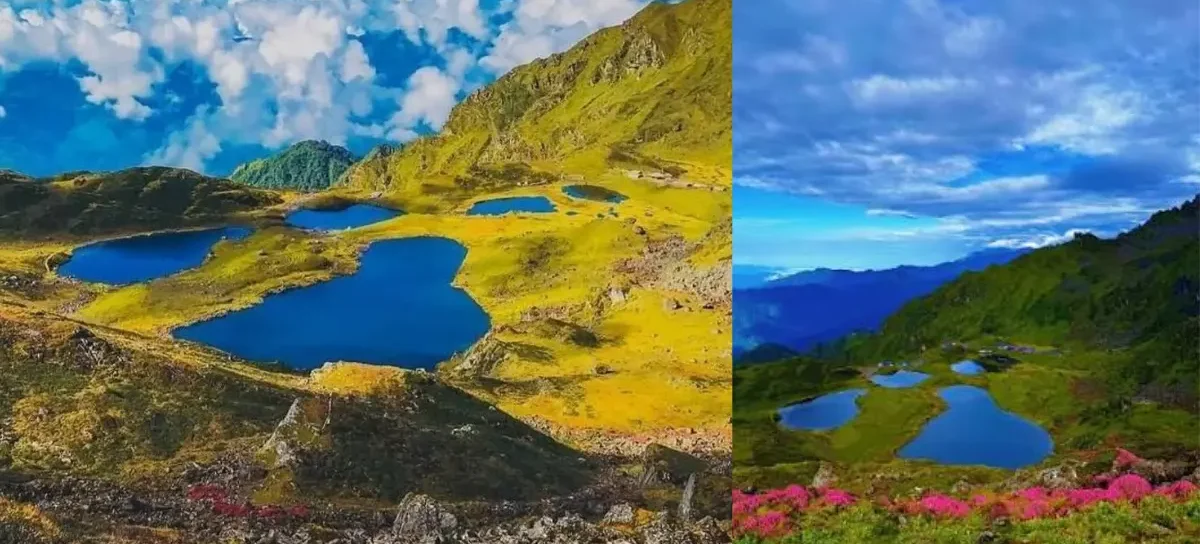
Panch Pokhari is a Nepali term that translates to “Five Lakes”. It is a cluster of five holy lakes at an elevation of approximately 4,100 meters located in Langtang National Park, northeast of Kathmandu. This site has been a pilgrimage for all those centuries for both the Hindus and the Buddhists. As a trekking route, though, it is still too young. Few foreign trekkers are aware of it and that is the greatest gift this trek offers you , real trails, real villages, real silence without the crowds you find on the busier trails.
What Exactly Is Panch Pokhari?
Panch Pokhari is a group of five glacial lakes which are tucked closely together in the lap of Jugal Himal range. The local legend relates each lake to Lord Shiva and the entire region is considered a holy shrine. In addition, it is one of the world’s highest-altitude wetlands, a fancy term for this: this water body is located in a place where very few water bodies like this are located at this altitude.
These lakes are visited by thousands of pilgrims every year during the full moon of Janai Purnima (usually in August) who walk up to take a dip at these holy lakes. For several days, this tranquil mountain becomes a festival ground where everyone chants, bathes and celebrates. However, during the rest of the year, Panch Pokhari is once again quiet, secluded and unspoiled.

The hike is made in the Sindhupalchowk district, which is on the border of Rasuwa and Nuwakot and within Langtang National Park. Lakes and the surrounding ridge offer prime vantage points of some of the big Himalaya giants, Dorje Lakpa, Phurbi Chhyachu, Madiya and on a clear day even a portion of the Langtang and Rolwaling range.
Why Is This Trek Different From the Usual Nepal Treks?
It is a trek that grew out of a pilgrimage. The majority of trekking routes in Nepal have been constructed for tourists’ benefit first. Panch Pokhari was not just a trekking path but a religious walking path even before the trekking companies discovered it. This was not constructed by tour operators, but by worshipers, the stone steps, the small shrines along the trail, the resting places. This is not a “trekking route” that you walk but rather footsteps of pilgrims that are followed for generations.
There is very little infrastructure, which makes the place more charming. Panch Pokhari is not as developed as Everest or Annapurna with WiFi or espresso machines in the teahouses, but, it is more centered on the local homestays, basic lodges, and camping. The network signal is only available at one or two locations. This may seem like a hassle to some trekkers. This is the “disconnect” that some are looking for.
It sits in a strange sweet spot of difficulty.Not as difficult as a short hike in the Kathmandu valley but more difficult than going to Everest base camp or Annapurna base camp. It does test you at the altitude but the hours of walking a day are not too much and it is a good ‘next step’ trek for someone who has done a beginner trek before and would like something more challenging but not quite a three week trek.
You walk through three different Himalayan cultures in one trip.The trail goes through the Tamang villages, Hyolmo (Sherpa related) villages and mixed hill villages, all in just a few days of walking. As you walk you will see that the houses have changed, the language spoken has changed, the food offered has changed and the prayer flags and mani walls change.
Where Is Panch Pokhari Located?
Panch Pokhari is located in the central hills of Nepal, about north-east of Kathmandu in Sindhupalchowk district. It is now a part of Panchpokhari Thangpal Rural Municipality. Since the trekking region is adjacent to Langtang National Park, the same forest, rivers and wildlife you can expect in Langtang Valley is also seen here, but from a different perspective.
Most treks start from Kathmandu and head towards Melamchi, and then to Chautara or Chimchi (Chimti), a village that is typically reached in 6-7 hours of driving. This road is not rough at all until Melamchi bazaar and afterwards the road may become uneven; therefore at the end it is preferable to use a jeep rather than a fragile local bus.
How Difficult Is the Panch Pokhari Trek?
The trek is graded as moderate to moderately challenging. No technical mountaineering skills, ropes or climbing experience is necessary. A reasonable degree of fitness is required, as the trail is hilly with stone steps, forest paths and open ridgelines. Between 5 and 8 hours of walking per day, depending on which route you take. The bottom section of the walk is through terraced farmland, small villages and dense forest. The trail widens into alpine meadows and exposed rocks as you ascend, areas that can be much windier and colder than the lower sections of the trail.
Where the challenge really lies is not in distance, but in altitude. The lakes are at approximately 4,100m and some of the viewpoints are at 4,300m, so if you rush up there, you could get altitude sickness. The upside is that with proper pacing, ample water intake and 1 or 2 nights acclimatization most reasonably fit trekkers do this trek without issues.
The easiest way to describe it: If you have completed a short trek that involved ascending a mountain before (such as Poon Hill or Ghorepani) and you were feeling fine, then Panch Pokhari is the logical next mountain. If you have never trekked before in your life it can still be done, but you should be mindful of a slower pace and on more rest days.
Best Time to Trek Panch Pokhari
Nepal’s mountains change personality with the seasons, and Panch Pokhari is no exception.
Autumn (September to November) is usually considered the best season. It’s just over the monsoon rain period and the mountain views are at their best. Forest is green, terraced fields are golden, and there is a stable weather condition for good walk days.
A close second is spring (March-May). The time when the hillsides are red and pink with rhododendrons, and it is warm enough for walking. Conditions are good generally with a little haze in late spring.

It may be possible but colder in the winter period of December to February (in areas close to the lakes snow can make the last part difficult). Winter may be beautiful, but if you don’t mind the cold and don’t want to disturb the tranquility of the snow-covered path, it can be, as long as you are prepared for it with the right warm gear.
The most challenging season is the monsoon (June-July-August) due to the rain, leeches in the lower trail and the slippery stone steps. But that is the time when Janai Purnima is also held, which means that if you are interested in experiencing the lakes during the Janai Purnima festival, you can plan a monsoon trip just around the full moon month of August, and enjoy a different experience, one that is as culturally enriching as the lakes, but with mud, rain gear and a busier trail for those few days.
Panch Pokhari Trek Itinerary (7-8 Day Plan)
There are lots of different itineraries for this trek, depending on the operator, your fitness and the amount of time you have. Some companies provide quick version that takes 4-5 days and some extend the version by adding near valleys that takes 12-13 days. Here’s a sample of a moderate pace that most trekkers find comfortable and a balanced itinerary.
Day 1: Kathmandu to Chautara or Chimchi (Drive) A long but scenic drive out of the Kathmandu valley, through Melamchi bazaar and a hilly road towards the trailhead village. Your starting point in the hills.
Day 2: Trek to Bhotang village – Truly the walking starts here. The trail winds through the woods, crosses stream crossings and passes through tiny rural communities, and gradually ascends to Bhotang, which provides your first close-up view of Tamang and hill culture.
Day 3: Bhotang to Nasempati (or similar higher-altitude stop): A longer and more challenging day through dense forest, climbing higher. Typically this is where the land begins to become part of alpine forest and where the air becomes distinctly thinner.
Day 4: Nasempati to Panch Pokhari The large day. The trail heads from the mid-hills, through a forest area, and into an open alpine area, leading to the five lakes. It’s a moment that most trekkers will recount as a tired set of legs, but not a tired set of eyes.
Day 5: Rest and explore Panch Pokhari, hike to the viewpoint Spend the morning at the lakes. A lot of trekkers continue up to the ridge or viewpoint the higher end of which is around 4,300 m and is a great place from which to get an overview of the Himalaya, including Dorje Lakpa and surrounding peaks. If you are on your trek during this festival time, then to top it up this is the day, too, when pilgrims go to bathe in the lakes.

Day 6: From Bhotang back to the mid-point village or Panch Pokhari. It is a walk downhill, so take your time, particularly up and down the stone steps.
Day 7: Bhotang to Chautara/Chimchi to Kathmandu. Back to the road on the trekking day and then a drive back to Kathmandu.
Permits Required for Panch Pokhari Trek
The hike is going to be within the boundaries of Langtang National Park, which means that you need to bring two important documents with you.
Langtang National Park Entry Permit – Foreign trekkers have to pay approximately NPR 3,000 (around USD 24) for the entry permit to Langtang National Park. The discounted charges apply to the nationals of the SAARC countries.
TIMS Card (Trekkers’ Information Management System): This will cost about USD 20 for the independent trekkers or lower rate for those trekking in an organized agency (TIMS Card – Trekkers’ Information Management System). This card is mainly for safety and record keeping reasons and authorities will know where trekkers are in case of emergency.
This is one area where Panch Pokhari clearly separates itself from the more commercial routes. On treks like Everest Base Camp, you will find teahouses with menus, bakeries, and even bar options. Here, things are simpler.
Accommodation and Food Along the Trail
Typical teahouses or homestays in the lower villages (such as Bhotang) are very simple. As you ascend to the lakes, your choices narrow even more and lots of trekking companies opt to camp, bringing tents, sleeping bags and even a kitchen party along.
Dals (rice, lentils and vegetable curry), noodles, potatoes and eggs are common; meals are simple, homely, and filling. Beware of a long menu. You will be greeted with warm and friendly food prepared by generations of cooks willing to feed the trekkers and pilgrims. With limited infrastructure, most trekkers opt to trek with a guide and a small support group as well as porters, particularly the camping sections near the lakes.
Culture Along the Way and Wildlife and Nature
The walk to Panch Pokhari is more than just a nature trip; it’s a little bit of a cultural journey as well. The lower villages are mostly Tamangs who speak a unique language, inhabit traditional houses and practice Buddhism with strong animist influences. On the higher levels, you can see more prayer flags, mani walls and small monasteries, as you will pass by communities that have a culture that is more Tibetan Buddhist and also influenced by the Hyolmo and Sherpa culture.
The route can also be followed as a pilgrimage route so that small shrines, resting platforms and stone structures that have been erected over the years can be observed. If your trip coincides with Janai Purnima, you’ll be able to see what most tourists don’t get to see , a local pilgrim changing his/her sacred thread, chanting mantras and taking a dip in the lake, believing that it cleanses sins and brings blessings.
Although you may not see rare animals daily as the hike is within the Langtang National Park so, biodiversity is really abundant here. The lower forest areas support a range of bird and mammal species including langurs, and the higher alpine areas are hardy with alpine vegetation, in spring wildflowers and in March and April rhododendron forests that cover entire hillsides in red. However, if you’re lucky and silent on the trail, you may also see evidence of larger wildlife as well, though this is never guaranteed in the dense forest of the Himalayan region.
Frequently Asked Questions
The majority of itineraries last between 5 and 8 days but some operators make it last longer – up to 12-13 days with additional villages or combined with Helambu, just a short drive away.
It is recommended for beginners with some hiking experience and reasonable fitness. This isn’t the simplest trek in Nepal, primarily due to the altitude but does not require any technical climbing ability to do. If you have done a shorter hill trek before, you should be able to do this one at a reasonable speed.
Even though it is not required, it is strongly recommended. It is not as well-marked as the more popular trails such as Everest or Annapurna, and a local guide makes a huge difference when it comes to safety, route-finding and context.
The cover is highly patchy and it only operates in certain locations. You can expect to be off the grid for much of the journey, something that some trekkers enjoy.