
 Call Us or Whatsapp 9779808220612
 Email Us [email protected]
- English [EN]
- Espanol [ESP]
- France [FR]
- Deutsch [DE]
- China [CN]
- Japan [JP]
- Arabic [AR]
- Hindi [HI]
Walk Up to Lakuri Bhanjyang: A Perfect Hiking Station In Lalitpur
Published: August 2026 | Author: Nishan Dahal | Category: Information
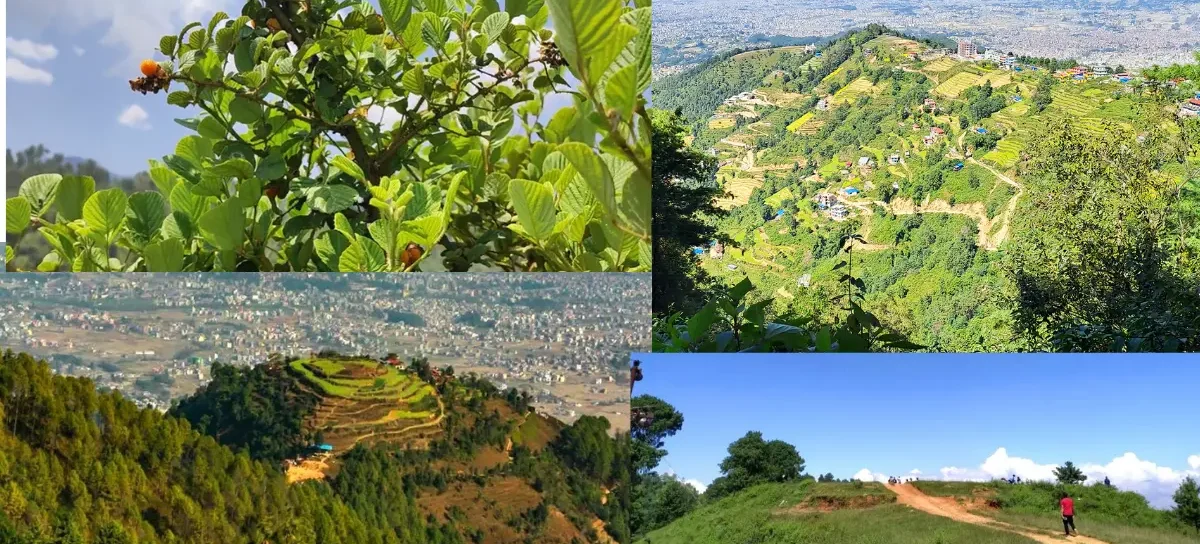
There are some days when you just want to get out of the city, breathe some clean air, and walk until your legs feel tired in a good way. That is exactly how I felt one morning when I decided to hike to Lakuri Bhanjyang, a hill on the eastern edge of Lalitpur district. I had heard people talk about it many times: how it is close to Kathmandu, how it is not too hard, and how the view from the top shows you the whole valley like a painting. So I packed a small bag, wore my walking shoes, and set out to see it for myself.
Getting There: The Journey Before Lakuri Bhanjyang Lalitpur Hiking
My hike did not start on a hill. It started at Gwarko, a busy crossroad on the ring road in Lalitpur. This is the point where most people begin their trip to Lakuri Bhanjyang, so if you are coming from anywhere in Kathmandu, Gwarko is a good place to aim for first.
From Gwarko, there are two easy ways to reach the base of the hill. You can catch a local bus heading toward Sanogaun, Imadol, or Lamatar, or you can take a bike or scooter if you want more freedom to stop and take photos along the way. I chose the bus, mainly because I wanted to relax a little before the walking began. The bus ride took close to half an hour to forty-five minutes, moving slowly out of the crowded part of the city and into a more open landscape. Little by little, the tall buildings became fewer, the roads became quieter, and green fields started appearing on both sides. I got off at Lamatar, which is the usual starting point for the actual hike.
Lamatar itself is a pretty little settlement, and I noticed many young people around, since it has become known for a scenic road that people love to take pictures on. I did not stop for photos there, since my eyes were already looking up toward the hills ahead. That is where I was headed.
The Trail Begins: Lamatar to the Uphill Path
From Lamatar, the trail toward Lakuri Bhanjyang splits into two options. One is a motor road that vehicles also use, and it winds up the hill in a gentler, longer way. The other is a footpath that cuts more directly up the slope. If you are short on time or want a proper workout, you should take the steep foot trail. If you prefer an easier walk and do not mind it taking a little longer, the motor road is kinder to your knees. I decided to take a mix of both, following the foot trail when I saw it branching off, and returning to the road whenever the path became too steep or unclear.
Right from the start, the trail felt calm. There was no crowd, no noise of traffic, just the sound of my own footsteps and birds somewhere in the trees. The path was surrounded by green forest in the beginning, with tall pine trees standing close together, throwing patches of shade over the ground. A cool breeze moved through the leaves, and I remember thinking how different this felt from the busy streets I had left behind just an hour earlier.


As I walked further, the forest opened up here and there into small clearings. In these clearings, I could see terraced farmland cut into the hillside, the kind you often see in the hills of Nepal, where every patch of land is used carefully to grow something. Local people were working in some of these fields, and a few of them smiled and greeted me as I passed. I said namaste back, and one elderly man even asked where I was going, laughing a little when I told him I was walking up just to see the view. He told me it was worth it, which gave me a bit more energy for the climb ahead.
There were a few old houses scattered along the trail, simple stone and mud homes that looked like they had been there for generations. Some had small shops selling tea, biscuits, and cold drinks, which is a nice thing to know if you forget to carry enough water. I stopped at one of these tea houses and had a hot cup of milk tea, which tasted better than any tea I have had in the city. Sitting there on a wooden bench, looking at the hills around me, I felt like I had already gotten something valuable out of the trip, even before reaching the top.
Reaching Lakuri Bhanjyang
After around two and a half hours of walking from Lamatar, with breaks included, I finally reached the top of Lakuri Bhanjyang. And I have to say, the feeling of arriving there is hard to describe in words, but I will try my best.
The hilltop opens into a wide, grassy space with a clear view in almost every direction. Standing there, I could see Kathmandu, Lalitpur, and Bhaktapur all at once, spread out below like a map. On a clear day, you can also catch a glimpse of snow-covered mountains in the distance, though the clouds were playing a little hide-and-seek with me that day, so I only saw parts of the range. Still, it did not take away from the beauty of the moment.
Lakuri Bhanjyang is also known as a popular picnic spot, since a road actually goes all the way up, which means families and groups often drive there for the day. When I reached the top, there were a few groups sitting on mats, sharing food, laughing, and enjoying the open space. It gave the place a friendly, relaxed feeling, different from the quiet forest trail I had just walked through. I found myself a nice spot on the grass, away from the crowd, sat down, and just took in the view for a long while. I had carried some snacks with me, some fruits and a sandwich, and eating them up there while looking at the valley below felt like the perfect reward for the climb.

The wind at the top was cool and steady, brushing past my face and reminding me how far above the city I actually was. I stayed there for close to an hour, not doing much, just sitting, watching people, watching birds circle above, and letting my mind rest after a busy week. This, I think, is the real reason people come to Lakuri Bhanjyang. It is not just a hike for exercise; it is a hike for peace of mind.
Choosing the Way Down
When it was time to head back, I had a decision to make, and you will have the same choice if you do this hike. You can return the same way you came, back down through Lamatar, which is the simplest option and good if you are short on time or energy. Or you can continue over the other side of the hill and descend toward Bhaktapur, passing through smaller villages along the way. There is also a longer route that goes toward Panauti if you want a bigger adventure and have a full day free.
I decided to walk down toward Bhaktapur, mainly because I wanted to see a different landscape than the one I walked up through. This side of the hill had a steeper drop, and I could feel it in my knees more than my lungs this time. The trail passed through quiet villages with narrow paths, small temples, and curious dogs that followed me for a little while before losing interest. After about an hour and a half of walking downhill, I reached an area near Dadhikot, which is closer to Bhaktapur, and from there I managed to catch a local bus back toward the city.
If you prefer a shorter day, going back the same way toward Lamatar is a good choice too, especially since the road makes it easier to arrange transport back to Gwarko.
The Best Time to Visit
I hiked during a season when the weather was mild, and I think timing really does change how much you enjoy this trip. Early morning starts are best throughout the year, but the season you choose also matters a lot.
Autumn, right after the monsoon rains have cleared the dust from the sky, tends to give the sharpest views, with the best chance of seeing distant mountains clearly instead of just a hazy outline. Winter mornings can be beautiful too, though a bit cold at the top, so carry warmer clothes if you go then. Spring brings wildflowers along the trail and pleasant walking temperatures, though the sky can be a little more hazy than in autumn.
I would suggest avoiding the peak of the monsoon season if you can, since the trail turns slippery and muddy, and clouds often block the entire view from the top. But if you enjoy a quieter, greener trail with fewer people around and do not mind getting a little wet, monsoon hiking here has its own charm too.
Views From the Top
As mentioned earlier, you can see Kathmandu, Lalitpur, and Bhaktapur from the top of Lakuri Bhanjyang, but I want to describe it a bit more, since it really is the highlight of the whole hike. Standing at the viewpoint, you get what feels like an almost complete view of the valley, stretching out in front of you in every direction. The three cities blend together from that height, looking like one large settlement broken up by patches of green fields and small hills.
On clearer days, hikers say you can spot parts of the Langtang range and even glimpses of peaks further away, sitting quietly on the horizon like a soft grey and white line above the clouds. I was not lucky enough to see the full mountain range that day, but even the partial view I got was enough to make me stand there for a long time, just looking. There is something about seeing your own city from far above that makes you appreciate it differently. All the noise and rush that feels so big when you are inside it suddenly looks small and calm from up there.
So if you have a free day and want to step away from the city without traveling too far, pack a small bag, wear good shoes, and head toward Gwarko. From there, you can use this route I walked, through Lamatar and up the hill to Lakuri Bhanjyang, and I think you will come back home with the same quiet, happy feeling I carried with me that evening.